

When most people think about shoulder replacement, they imagine someone older who has lived with years of gradual wear and tear. However, there are cases where shoulder replacement in younger patients becomes an option for restoring function and relieving severe pain.
If you’re younger and have been told shoulder replacement might be necessary, that can understandably feel overwhelming. Most patients immediately wonder: Will I still be active? How long will the implant last? Are there other options I should consider first? Let’s walk through when shoulder replacement may be recommended for younger patients so you can understand the decision more clearly and feel more confident moving forward.
Key Takeaways
- Shoulder replacement in younger patients is possible and can deliver positive outcomes, but patient selection and detailed surgical planning are important.
- Several types of shoulder replacement exist, and the right choice depends on the specific diagnosis and the condition of the surrounding muscles and tissue.
- Non-surgical options should generally be explored before committing to surgery, though some conditions may ultimately require it.
- Recovery takes time and effort, but many younger patients can return to meaningful levels of activity, including work, recreational sports, and everyday tasks.
Why a Younger Patient Might Need Shoulder Replacement
Several conditions can damage the shoulder joint severely enough to warrant replacement surgery, even in someone in their 30s, 40s, or 50s. Understanding the cause matters, because it helps shape the entire treatment plan.
Osteoarthritis
Though osteoarthritis is more commonly associated with older adults, it can develop earlier in life, particularly in patients with a history of shoulder injury, joint overuse, or a family history of the condition. Over time, the cartilage that cushions the shoulder joint breaks down. Once that cartilage is gone, bone begins grinding directly against bone, causing significant pain, stiffness, and restricted motion.
Post-Traumatic Arthritis
Post-traumatic arthritis develops after a significant injury to the shoulder, such as a severe fracture or dislocation. Even after proper healing, the joint surface may be permanently altered. Abnormal wear patterns develop over time, eventually leading to the kind of joint damage that makes replacement a consideration.
Avascular Necrosis (AVN)
Avascular necrosis occurs when the blood supply to the humeral head, the “ball” of the shoulder joint, is disrupted. Without adequate blood flow, the bone tissue can begin to collapse and deteriorate. Causes may include long-term corticosteroid use, heavy alcohol use, certain systemic medical conditions, or a prior fracture.
Inflammatory Arthritis
Conditions like rheumatoid arthritis can aggressively destroy joint cartilage and bone, sometimes at a younger age than most people expect. In these cases, the joint damage may become severe enough that non-surgical management is no longer adequate, and replacement surgery becomes the most reasonable path toward meaningful pain relief and function.
Irreparable Rotator Cuff Tears
In some situations, a massively torn rotator cuff, combined with significant joint damage, can lead to a condition called cuff tear arthropathy. When this damage becomes irreparable, certain types of shoulder replacement can restore function more effectively than any other available treatment.
Types of Shoulder Replacement
Not all shoulder replacements are the same. The type that may be most appropriate depends on the diagnosis, the condition of the rotator cuff, the quality of the bone, and the surrounding soft tissue. This is a conversation I take seriously with every patient.
Total Shoulder Replacement (Anatomic)
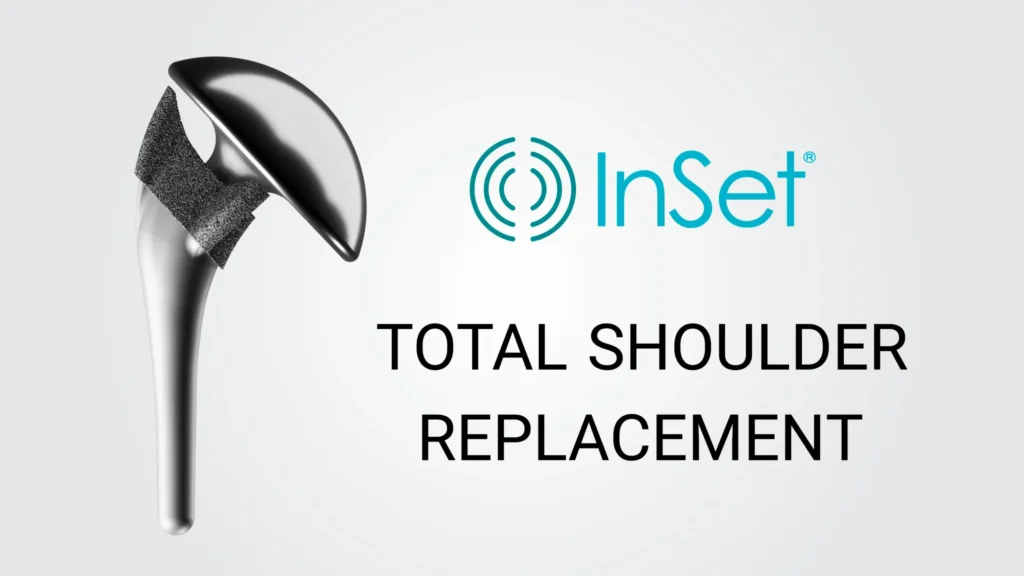
In a total shoulder replacement, both the ball (humeral head) and the socket (glenoid) are replaced with artificial components. This approach often works well for patients with an intact rotator cuff and primary osteoarthritis. The goal is to recreate the natural anatomy of the joint as closely as possible.
Reverse Total Shoulder Replacement
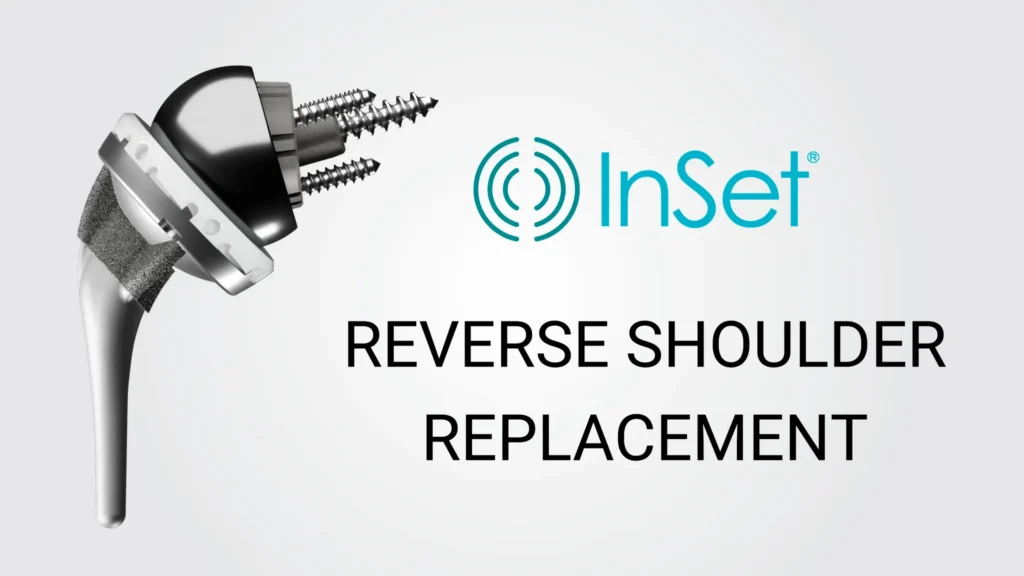
In a reverse shoulder replacement, the positions of the ball and socket are essentially flipped. The artificial ball is attached where the socket was, and the artificial socket is fixed where the ball was. This design allows the deltoid muscle, rather than the rotator cuff, to power shoulder movement. It’s particularly useful when the rotator cuff is severely compromised.
What Makes Shoulder Replacement in Younger Patients Different
When I evaluate a younger patient as a candidate for shoulder replacement, my approach involves a few additional layers of consideration that go beyond the surgery itself. The planning needs to account not just for today, but for the decades ahead.
Implant Longevity
Over time, components can loosen, wear, or require adjustment. For a younger patient, there is a real possibility that a revision surgery may be needed at some point down the road. We factor this into the initial decision and into the specific implant selection from the very start.
The development of stemless and short-stem shoulder implants has been an important advancement in shoulder arthroplasty, particularly for younger patients. These designs preserve more of the native bone, which can make future revision surgery significantly more manageable if the implant ever needs to be addressed.
In my practice, I regularly use the InSet® Total System and InSet® Reverse System by Shoulder Innovations. The InSet® Total System features a glenoid component designed to sit within the bone rather than on top of it, which may help reduce the risk of loosening over time. It also allows for an intraoperative choice between stemless and short-stem options using the same instruments, supporting better bone preservation along the way.
Activity Level
Younger patients tend to be more physically active, which places greater mechanical demands on the implant. High-impact activities and heavy lifting can accelerate wear on the prosthetic components over time. This doesn’t mean a younger patient can’t be active after shoulder replacement; many of them do remarkably well. However, it does mean we have a detailed, honest conversation about realistic expectations and which activities are likely to be sustainable long-term without accelerating implant wear.
Psychological and Social Considerations
Younger patients often have many variables at stake, including active careers, young families, athletic pursuits, and long-term goals that require a functional shoulder. These factors shape the conversation. A shoulder replacement is not simply a mechanical fix. It needs to serve the life that person is actually living, and understanding what that life looks like helps me guide them toward the right decision.
Non-Surgical Options Come First
Before recommending shoulder replacement surgery to any patient, I work to ensure that reasonable non-surgical options have been given a genuine opportunity to help. Depending on the underlying condition and its severity, conservative treatment may include:
- Physical therapy to improve strength, range of motion, and movement mechanics
- Anti-inflammatory medications to manage pain and reduce joint swelling
- Corticosteroid injections for targeted, temporary relief of inflammation
- Platelet-rich plasma (PRP) therapy, which may support tissue health in some patients
- Activity modifications to reduce stress placed on the joint
The appropriate duration of conservative treatment varies. When non-surgical care has been given adequate time and the patient still has significant pain or functional limitations that impact their daily life, surgery becomes a more serious and reasonable discussion.
The Surgical Process
Once a decision is made to proceed with shoulder replacement, planning begins. Preoperative imaging gives me a detailed picture of the joint anatomy and helps me plan implant placement with precision. In many cases, I use preoperative planning software to virtually map out the procedure before the patient ever arrives in the operating room.
During surgery, the damaged bone and cartilage are carefully removed and the implant components are positioned. The procedure is typically performed under general anesthesia, often combined with a regional nerve block to provide effective pain control in the hours after surgery. Newer techniques are being developed to preserve the muscles around the shoulder during surgery. I have started utilizing these techniques, which may help minimize recovery and maximize function after surgery.
Recovery Expectations
Recovery from shoulder replacement takes real commitment, and I always make sure patients understand this going into surgery. It is not a quick process, and setting expectations honestly from the start leads to better outcomes.
In the first few weeks, the arm is kept in a sling to protect the healing soft tissue. Some pain and swelling are expected and managed with medication. Physical therapy begins relatively early, starting gently and progressing steadily as healing allows. Over the following months, strength and range of motion gradually return. Many patients notice significant improvement in pain within the first several weeks, while functional strength continues to build for up to a year or longer after surgery.
Summary
Shoulder replacement in younger patients is a significant decision, but for the right patient, it can be life-changing. The process requires careful evaluation, honest conversations about activity expectations, and thoughtful surgical planning that looks ahead. When it is the right choice, most patients experience meaningful relief and return to a quality of life they thought they had lost.
If you’re a younger patient dealing with severe shoulder pain or loss of function that isn’t responding to other treatments, I encourage you to schedule a consultation. Together, we can review your imaging, discuss your condition in detail, and determine the treatment path that best fits your life.
Frequently Asked Questions
Will I be able to play sports after shoulder replacement?
Many patients can return to low-impact recreational activities, such as golf, swimming, hiking, or cycling, after a full recovery. High-impact and contact sports require a more individualized discussion, as they may accelerate implant wear over time. Activity recommendations are personalized based on the type of replacement performed, the specific implant selected, and your personal goals.
How do I know if I need shoulder replacement or if another procedure could help?
This question deserves a thorough, individualized evaluation. Factors like your specific diagnosis, the degree of joint damage visible on imaging, your history of prior treatment attempts, and your functional goals all play a role in that determination. A consultation with a shoulder specialist who can review your particular case is the best way to get a clear, personalized answer.
How long does recovery typically take?
Most patients begin to notice meaningful pain relief within the first several weeks after surgery. Rebuilding functional strength and restoring full range of motion generally takes six months to a year or longer. Younger patients who are committed to their rehabilitation program tend to progress well, though patience during the early phases of recovery remains essential.