
Shoulder injuries and conditions can significantly impact daily life, limiting mobility and causing discomfort. For many individuals, treatment options such as rest, physical therapy, medication, or even surgery may be considered. However, advancements in regenerative medicine offer promising options. One such treatment is platelet-rich plasma (PRP) therapy. In this post, we’ll take a look at PRP for shoulder conditions, exploring what it is, how it works, the conditions it may help treat, and what patients can expect from the procedure.
Key Takeaways
- Platelet-rich plasma is a concentrated solution derived from the patient’s own blood, rich in platelets and growth factors that support tissue repair and regeneration.
- PRP delivers a high concentration of growth factors directly to the site of injury, with the goal of stimulating cellular repair, reducing inflammation, and promoting the formation of new, healthy tissue.
- This treatment shows promise in treating various shoulder conditions, including rotator cuff tendinopathy, partial rotator cuff tears, and shoulder impingement syndrome.
- The PRP procedure involves a simple blood draw, centrifugation to concentrate platelets, and then injection of the PRP into the affected shoulder area.
Understanding Platelet-Rich Plasma (PRP)
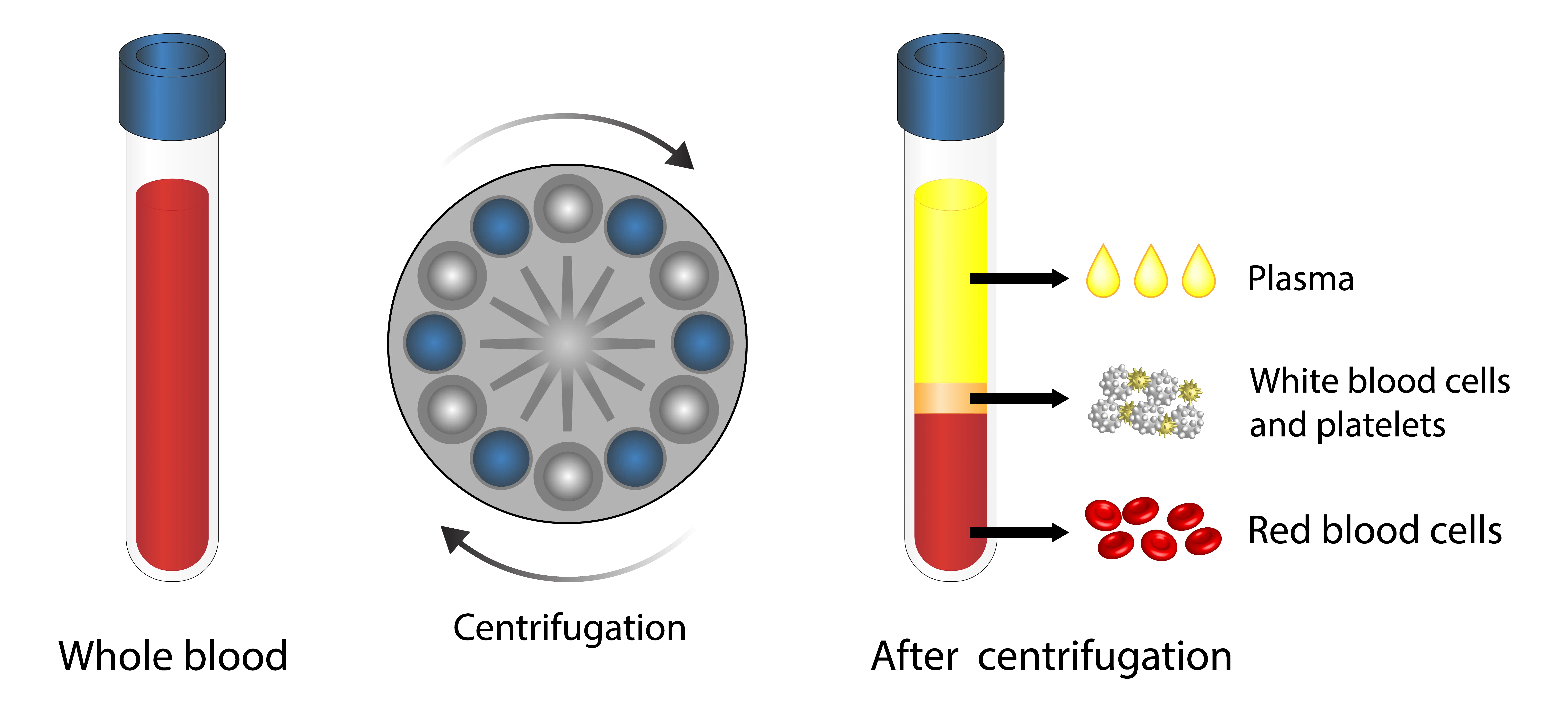
Platelet-rich plasma (PRP) therapy represents an advancement in regenerative medicine. PRP aims to harness the body’s innate healing capabilities to repair damaged tissues. Blood is composed of several key elements: red blood cells (responsible for oxygen transport), white blood cells (part of the immune system), plasma (the liquid matrix), and platelets. While platelets are primarily known for their role in blood clotting, they also contain a rich reservoir of growth factors and other bioactive proteins that are fundamental to wound healing and tissue regeneration.
Platelet-rich plasma is essentially plasma with a much higher concentration of platelets than typically found in whole blood. This concentration can be 5 to 10 times greater, leading to an enhanced supply of growth factors at the site of injury. By concentrating these healing agents, PRP therapy aims to jumpstart and enhance the natural healing cascade in tissues that may have limited blood supply or healing potential on their own.
Conditions PRP May Help Treat in the Shoulder
The shoulder is a complex joint, highly susceptible to various injuries and degenerative conditions due to its wide range of motion and frequent use. PRP therapy has emerged as a promising treatment option for a variety of these shoulder pathologies. The efficacy of PRP may vary depending on the specific condition and individual patient factors.
PRP therapy may be considered for patients who have persistent shoulder pain that has not fully responded to traditional treatments. Such as rest, physical therapy, or anti-inflammatory measures. Ideal candidates are often those with mild to moderate tendon or joint degeneration, or those recovering from certain shoulder injuries where healing has stalled. Because the treatment uses your own blood, the risk of adverse reactions is relatively low. Though your doctor can evaluate your overall health and goals to determine if PRP is an appropriate option.
Some of the conditions that PRP may be used for include the following:
- Rotator cuff tendinopathy and partial tears
- Shoulder impingement
- Mild glenohumeral osteoarthritis
- Biceps tendinopathy
- Labral tears
- Adhesive capsulitis (frozen shoulder)
A thorough evaluation by an experienced orthopedic specialist is important to determine whether PRP is an appropriate option for your specific needs.
The PRP Procedure Process: What to Expect
The PRP injection process for shoulder conditions is generally straightforward and can be performed in an outpatient setting.
During the Procedure
The PRP injection itself is a relatively quick procedure, usually taking around an hour from start to finish.
- Blood Draw: A small amount of your blood will be drawn, typically from a vein in your arm, similar to a standard blood test.
- PRP Preparation: The drawn blood is then processed in a centrifuge. This machine spins the blood at high speeds, separating the red blood cells from the plasma and platelets. The concentrated platelet-rich plasma is then carefully extracted.
- Ultrasound Guidance: To ensure precise delivery of the PRP to the injured area within the shoulder, the injection may be performed under ultrasound guidance.
- PRP Injection: Once the needle is accurately positioned, the concentrated PRP solution is slowly injected into the targeted area. You might feel some pressure or a mild aching sensation during the injection.
After the Procedure
- Immediate Post-Injection Care: After the injection, a small bandage will be applied to the site. You may be monitored for a short period before being discharged.
- Pain Management: It is common to experience some soreness, swelling, or aching at the injection site for a few days. Your doctor may recommend pain relievers but may generally advise against non-steroidal anti-inflammatory drugs (NSAIDs) for a period, as they can inhibit the necessary inflammatory response that is part of the healing process. Ice packs may also help manage discomfort.
- Activity Restrictions: You will likely be advised to rest the treated shoulder and avoid strenuous activities for a certain period, typically a few days to a week. Gradual return to normal activities will be guided by your doctor.
- Physical Therapy: Physical therapy often plays a critical role in maximizing the benefits of PRP therapy. A tailored rehabilitation program, beginning shortly after the injection, can help restore strength, flexibility, and function to the shoulder joint.
- Follow-up: Follow-up appointments may be scheduled to monitor your progress and assess the effectiveness of the treatment. The full benefits of PRP therapy are usually not immediate and can take several weeks to months to become noticeable as the body’s healing processes unfold.
Recovery Timeline and What to Expect
Recovery after PRP therapy is not instantaneous; it’s a gradual process as your body works to repair and regenerate tissue. Many patients experience mild soreness during the first few days as an expected response to the injection. Over the next several weeks, this initial discomfort often gives way to improvements in pain and function. Noticeable benefits typically emerge between two to six weeks post-treatment, but the most significant improvements may unfold over several months. It’s important to follow your doctor’s activity recommendations during this period to maximize healing and avoid aggravating the injury.
Summary
Platelet-rich plasma (PRP) therapy offers an innovative approach to managing and treating various shoulder conditions. By harnessing the potent healing capabilities concentrated within your own blood, PRP aims to reduce pain, decrease inflammation, and promote the natural regeneration of damaged tissues. From chronic tendinopathies and partial rotator cuff tears to certain forms of osteoarthritis and frozen shoulder, PRP is increasingly being recognized for its potential to improve patient outcomes and quality of life.
The procedure itself is minimally invasive, involving a simple blood draw, centrifugation, and precise, image-guided injection into the affected area. While the recovery process requires patience and often includes a dedicated physical therapy regimen, many patients experience improvements.
Frequently Asked Questions (FAQ)
Is PRP therapy painful?
The procedure involves a blood draw and an injection, so you may experience some discomfort. After the procedure, it’s common to have mild to moderate soreness or aching for a few days. This can typically be managed with over-the-counter pain relievers (excluding NSAIDs) and ice.
How many PRP injections will I need?
The number of injections varies depending on the condition being treated, its severity, and your individual response to therapy. Some patients may achieve significant relief with a single injection, while others might benefit from a series of 2-3 injections spaced several weeks apart. Your doctor will discuss a personalized treatment plan with you.
How long does it take to see results from PRP?
PRP therapy stimulates your body’s natural healing processes, which take time. You may not experience immediate relief. Many patients begin to notice improvements in pain and function within 2 to 6 weeks after the injection, with continued improvement over several months as tissue regeneration progresses. The full benefits can often be assessed at 3 to 6 months post-injection.
Are there any restrictions after a PRP injection?
Yes, your doctor will provide specific post-procedure instructions. Generally, you will be advised to rest the treated shoulder for a few days and avoid strenuous activities. You may need to temporarily avoid NSAIDs. A tailored physical therapy program will likely be recommended to optimize healing and recovery.