

The shoulder joint offers the greatest range of motion in the body. This mobility, however, makes it susceptible to complex injuries and degenerative conditions. In certain conditions when non-surgical treatments fail to provide relief, reverse shoulder replacement surgery, or arthroplasty, may become an option. The reverse shoulder arthroplasty alters the shoulder’s biomechanics. In this post, we’ll explore the indications, procedure, and recovery associated with this innovative surgical technique.
Key Takeaways
- Unlike traditional total shoulder replacement, the reverse procedure switches the position of the ball and socket components. This change allows the powerful deltoid muscle to take over the function of a damaged or non-existent rotator cuff.
- The original reason reverse shoulder arthroplasty was designed was for patients suffering from cuff tear arthropathy, a form of arthritis that can develop after a massive, irreparable rotator cuff tear.
- More recently, there are many more reasons why patients may get a reverse shoulder replacement including fractures, dislocations, shoulder arthritis (even with an intact rotator cuff), and failed shoulder replacements.
- For many patients, the reverse shoulder replacement has been effective at relieving pain and improving arm function.
The Anatomy of the Shoulder and the Problem of Cuff Tear Arthropathy
The shoulder is a ball-and-socket joint where the head of the humerus (the arm bone) fits into the glenoid cavity of the scapula (shoulder blade). The humerus (the arm bone with the “ball”), the glenoid (the shallow socket), and the rotator cuff (four muscles and tendons, providing stability and movement) are all key components of the shoulder. The deltoid muscle covers the shoulder and provides the main power for arm elevation.

The Challenge: Cuff Tear Arthropathy (CTA)
Cuff tear arthropathy is a condition that arises when a massive, long-standing rotator cuff tear leads to degenerative arthritis. In this case, the torn rotator cuff can no longer hold the humeral head centered in the glenoid socket. This loss of stability causes the humeral head to shift upward (superiorly), rubbing against the acromion (the bony roof of the shoulder). This abnormal contact and instability can cause rapid, destructive wear on the articular cartilage, leading to arthritis.
Traditional shoulder replacement surgery may fail to provide relief in this scenario because the traditional design cannot function without a healthy rotator cuff. This is where the innovative design of the reverse shoulder replacement provides a possible solution.
The Revolutionary Design of the Reverse Shoulder
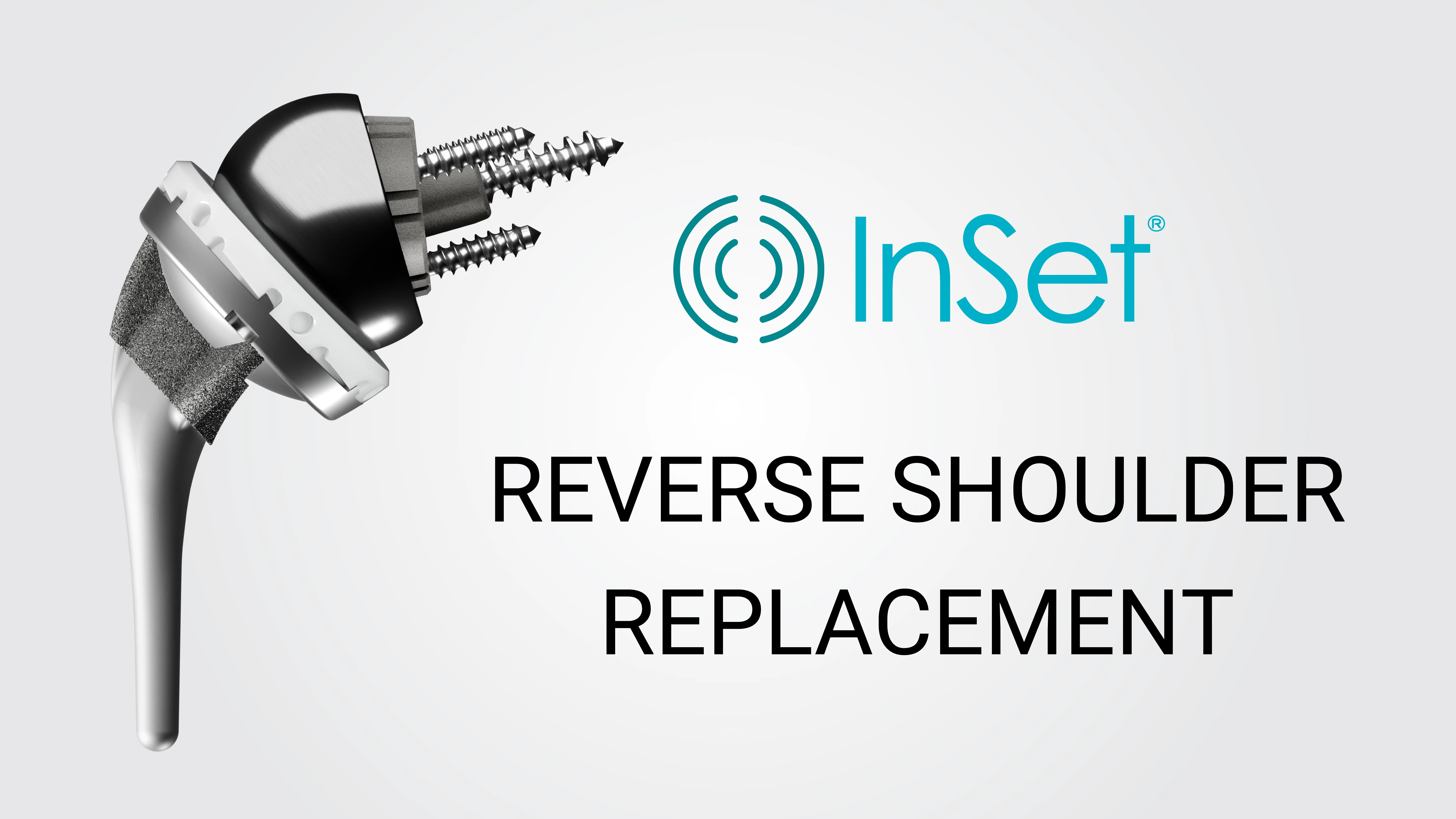
The reverse shoulder replacement reverses the natural ball-and-socket configuration, allowing the shoulder to function effectively even when the rotator cuff is severely damaged or non-existent. The procedure involves implanting two main components, reversing their natural positions:
- Glenosphere (The New Ball): A metal sphere is securely fixed to the glenoid socket of the shoulder blade.
- Humeral Socket (The New Socket): A plastic socket is attached to the top of the humerus (arm bone).
Indications for Reverse Shoulder Replacement
The decision to proceed with a reverse shoulder replacement is based on a careful evaluation of the patient’s condition. It is not a one-size-fits-all solution but is reserved for complex conditions where a traditional replacement is likely unsuitable.
The most common reasons for a reverse shoulder replacement include:
- Cuff Tear Arthropathy (CTA): The classic indication involves a massive, irreparable rotator cuff tear coupled with severe glenohumeral arthritis.
- Massive, Irreparable Rotator Cuff Tears: Even without advanced shoulder arthritis, a tear so large that it cannot be repaired may warrant a reverse shoulder.
- Complex Proximal Humerus Fractures: In older patients with severe, multi-fragmented fractures, a reverse shoulder replacement may be recommended.
- More recently, the indications for reverse shoulder replacement have been expanding to include shoulder dislocations in older patients, shoulder arthritis (even with an intact rotator cuff), and failed shoulder replacements.
The Surgical Procedure: What to Expect
The reverse shoulder replacement is an orthopedic procedure requiring a skilled shoulder surgeon and a specialized approach. Patients should discuss the specifics of the operation with their surgeon.
The Operation
The surgery is usually performed under general anesthesia, often with a regional nerve block for pain management. The steps include:
- Incision and Exposure: The surgeon makes an incision, exposes the shoulder joint, and the damaged components are removed.
- Glenoid Preparation: A baseplate is fixed to the scapula with screws, and the metal glenosphere (the “ball”) is locked onto it, establishing the new center of rotation.
- Humeral Preparation: The humerus is prepared to accept the humeral component (the “socket”).
- Implant Assembly: The humeral socket is placed, and the surgeon reduces the joint, seating the socket onto the glenosphere.
- Closure: The wound is irrigated and closed in layers.
The procedure typically takes between one and three hours.
Recovery and Rehabilitation: The Path to Function
While specific steps and timelines may vary between patients, recovery from a reverse shoulder replacement is a structured process. The initial phase focuses on protecting healing tissues and allowing the deltoid muscle to adapt. Physical therapy (either at home or with a therapist) is a key aspect of recovery and rehabilitation.
Phase 1: Protection and Passive Motion
The arm is typically kept in a sling for 1-2 weeks. A physical therapist may move the patient’s arm to prevent stiffness without stressing the healing tissues. The patient is generally instructed to avoid lifting the arm to protect the implant’s initial stability.
Phase 2: Active Motion and Strengthening
Once tissues are sufficiently healed, the patient may begin to use their own muscles. The patient starts to actively lift and move the arm, relying on the deltoid muscle. Gentle strengthening exercises for the deltoid and surrounding muscles may begin, focusing on controlled, safe movements.
Phase 3: Advanced Strengthening and Return to Activity
This phase generally focuses on maximizing strength and endurance. The intensity of strengthening exercises may increase under guidance. Patients may gradually return to low-impact activities and sports. High-impact activities or heavy lifting may be restricted long-term to protect the implant.
Long-Term Outlook and Lifestyle After Surgery
As healing progresses and strength returns, many patients wonder what everyday life will look like with a reverse shoulder replacement. While the procedure aims to restore function and relieve pain, it is important to understand that recovery continues well beyond the first few months. Many patients notice improvements in comfort, motion, and independence during the first year, but the shoulder may continue adapting and strengthening for even longer.
Communication with the surgical team remains important throughout recovery. Follow-up visits allow the surgeon to track progress, assess the stability of the implant, and adjust restrictions based on each patient’s healing. Even after formal therapy ends, many benefit from continuing light home exercises to support long-term shoulder function.
For many individuals, the reverse shoulder replacement may offer a renewed sense of mobility and a meaningful improvement in quality of life. By following post-operative precautions and staying engaged in rehabilitation, patients may give their new shoulder the best chance to function well for years to come.
Summary
The reverse shoulder replacement may be an effective treatment option for patients suffering from the debilitating pain and functional loss associated with cuff tear arthropathy and other complex shoulder conditions. By reversing the ball-and-socket anatomy, the procedure harnesses the power of the deltoid muscle with the goal of allowing patients to regain the ability to lift their arm and perform daily activities. The journey requires careful consideration and a dedicated commitment to rehabilitation.
Frequently Asked Questions
Will I be able to play sports after a reverse shoulder replacement?
Many patients return to low-impact activities and sports, such as golf, swimming, and walking. High-impact activities, heavy lifting, and contact sports may be discouraged as they can place excessive stress on the implant. Your surgeon will provide specific, personalized recommendations.
Will I need physical therapy?
Physical therapy is an essential part of recovery. However, this can be done both at home or with a therapist. Therapy typically begins soon after surgery and continues for several months to help patients rebuild motion, strength, and confidence using their arm.
How long will my arm be in a sling?
A sling is typically worn for the first 1-2 weeks to allow the soft tissues around the surgery site to heal. How long you remain in a sling after that will depend on your specific circumstances and your surgeon will determine the exact timeline based on your progress and healing. Generally, by 6 weeks patients are completely sling-free.