
Shoulder Disorders New Jersey
(201) 639-6620
Paramus, NJ
Franklin Lakes, NJ
Montvale, NJ
Monday - Friday | 8:00 AM - 4 PM
Specialties


Discover Recent Posts
Introduction
The shoulder is one of the most mobile joints in the body, enabling a wide range of movement for everything from reaching overhead to throwing a ball. However, its flexibility also makes it more prone to injuries and degenerative conditions.
Dr. Kohan provides expert shoulder care throughout New Jersey, delivering personalized treatment plans designed to reduce pain, restore function, and help patients return to their normal routines with comfort and strength.
Shoulder Anatomy
The shoulder joint is made up of three key bones: the scapula (shoulder blade), clavicle (collarbone), and humerus (upper arm bone). These bones are connected through several joints, including the glenohumeral and acromioclavicular joints, and work together to provide a full range of motion.
Stabilizing the joint are the rotator cuff muscles and their tendons, which help lift and rotate the arm. Ligaments hold the shoulder bones in place, while the bursa cushions the joint to minimize friction during movement. Due to its complexity and frequent use, the shoulder is vulnerable to both overuse injuries and traumatic damage.

Common Shoulder Disorders
Adhesive Capsulitis (Frozen Shoulder)
Frozen shoulder is characterized by pain and stiffness that gradually worsens over time, often limiting movement. It may follow surgery, injury, or develop without a clear cause.
Treatment includes anti-inflammatory medications, targeted physical therapy, and joint injections. Severe or unresponsive cases may require minimally invasive surgery to release the tightened capsule.
Biceps Tendonitis
This condition results from irritation or inflammation of the biceps tendon where it connects to the shoulder. It’s often caused by repetitive motion or age-related degeneration, resulting in pain along the front of the shoulder and weakness with overhead movement.
Non-surgical care includes rest, physical therapy, and anti-inflammatories. If symptoms persist, surgical intervention may be required to repair or release the tendon.
Glenohumeral Arthritis
This type of arthritis occurs when the cartilage in the ball-and-socket joint wears down, leading to pain, stiffness, and reduced motion. It’s commonly seen in older adults or those with a history of shoulder injuries.
Treatment typically begins with conservative options such as medications, injections, and therapy. Advanced cases may benefit from shoulder replacement surgery for long-term relief.
Impingement Syndrome
Shoulder impingement develops when tendons of the rotator cuff are compressed during arm movement, causing inflammation and discomfort. It’s commonly caused by repetitive overhead activity or anatomical narrowing.
Physical therapy, activity modification, and anti-inflammatory treatments are first-line options. In more severe cases, arthroscopic surgery may be used to relieve pressure and restore function.
Rotator Cuff Tears
A tear in the rotator cuff can result from injury, overuse, or age-related wear. Symptoms include shoulder weakness, pain with lifting, and night pain that disrupts sleep.
Treatment varies by severity, ranging from physical therapy and medication to surgical intervention for complete tears. Recovery includes a progressive rehab program tailored to rebuild strength.
Total Shoulder Replacement Surgery
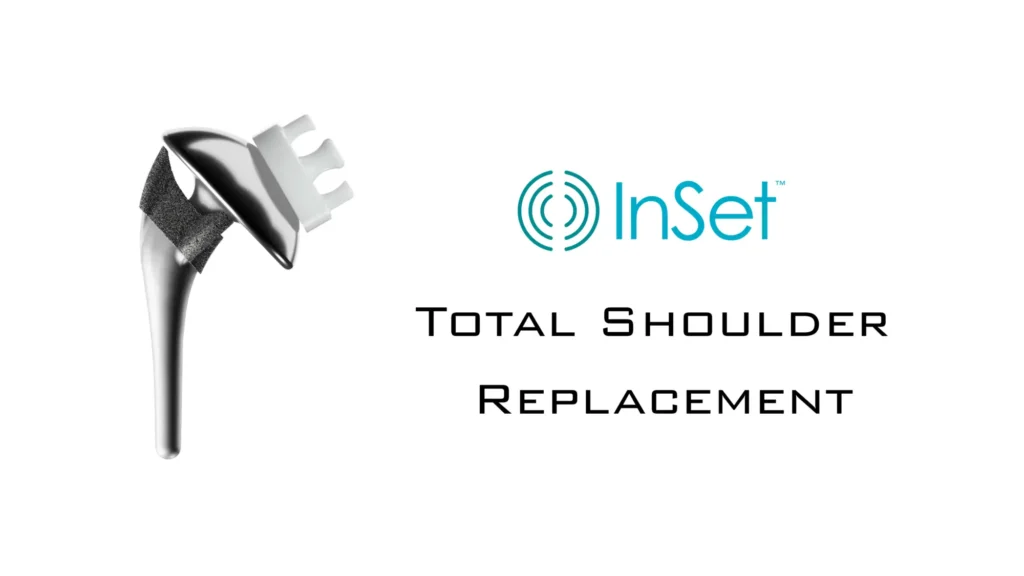
This procedure is often used to replace worn-out cartilage and bone in the shoulder due to severe arthritis or other conditions. The damaged humeral head and socket are replaced with artificial components that restore pain-free movement.
Patients typically report major improvements in function and quality of life. Post-surgical recovery includes a multi-phase rehabilitation plan focused on gradual mobility and strength restoration.
Reverse Shoulder Replacement Surgery
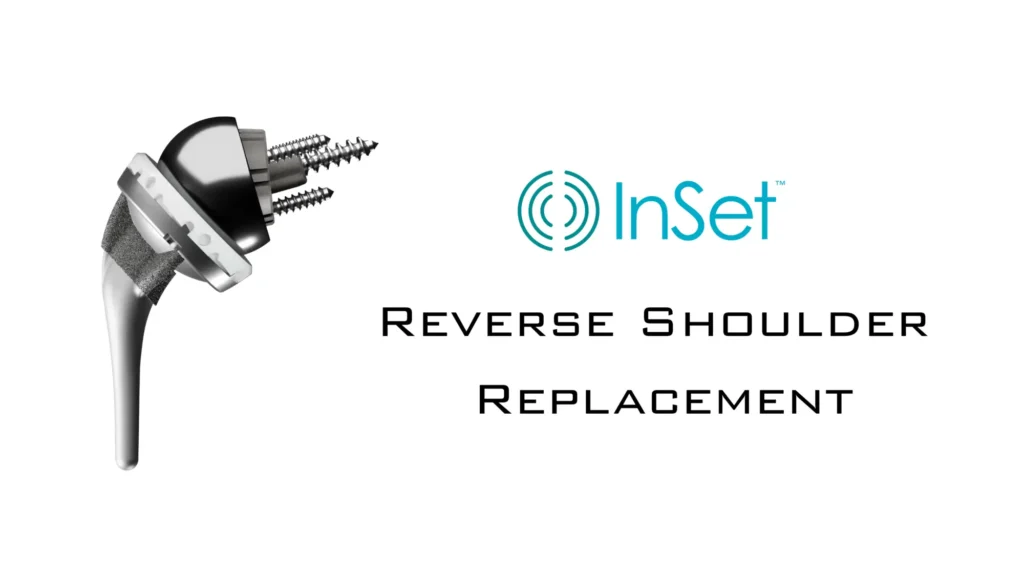
Reverse shoulder replacement is designed for patients with severe rotator cuff damage. It alters the joint’s mechanics, allowing the deltoid muscle to power the shoulder.
This procedure offers improved shoulder stability, with most patients achieving significant functional recovery. Rehabilitation is essential for adapting to the new joint alignment and building motion control.
Treatment & Recovery
Effective treatment of shoulder disorders depends on the condition’s severity and the patient’s activity level. Dr. Kohan takes a patient-centered approach, combining proven techniques with individualized treatment strategies.
- Non-Surgical Treatments: Rest, physical therapy, anti-inflammatory medications, injections, and bracing form the foundation of care for many shoulder conditions.
- Surgical Treatments: For advanced or unresponsive disorders, Dr. Kohan offers procedures like tendon repair, arthroscopy, and joint replacement to restore long-term function.
- Rehabilitation and Prevention: Physical therapy plays a central role in recovery, with programs designed to rebuild strength, flexibility, and joint stability. Preventive strategies include ergonomic corrections and strength training.
Shoulder pain can keep you from doing the things you love, but it doesn’t have to. Dr. Kohan delivers expert care to patients throughout New Jersey with shoulder disorders, offering personalized diagnosis, treatment, and recovery support. Whether you’re dealing with a sports injury or chronic arthritis, Dr. Kohan’s comprehensive care can help you move forward with confidence.