


Medically reviewed by Eitan M. Kohan, MD | Reviewed July 2026
In my practice, one of the most common questions I hear from older patients considering shoulder replacement is some version of, “Am I too old for this?” I understand why that concern shows up. Surgery feels like a bigger undertaking later in life, and shoulder replacement recovery for older adults does come with its own considerations. Age alone rarely disqualifies a patient in my experience. What matters more is overall health, bone quality, and how committed someone is to the rehab process. In this post I’ll walk through shoulder replacement recovery for older adults, including what recovery actually looks like, week by week, so you can go into a decision with realistic expectations rather than guesswork.
Key Takeaways
- Shoulder replacement recovery for older adults typically unfolds over six months to a year or longer, though pain relief often comes sooner than full strength.
- Age by itself is not the deciding factor. Bone quality, muscle condition, and overall health matter most.
- A structured, consistent physical therapy program is one of the biggest predictors of a smooth recovery in my patients.
What Shoulder Replacement Surgery Involves
Shoulder replacement, also called shoulder arthroplasty, removes the damaged ball-and-socket surfaces of the joint and replaces them with artificial components. Most older patients considering this procedure have advanced osteoarthritis, a rotator cuff tear that has progressed to joint damage, or a complex fracture that cannot be repaired another way.
There are two main versions of the surgery: an anatomic total shoulder replacement, which recreates the joint’s natural structure and works best when the rotator cuff is intact, and a reverse shoulder replacement, which shifts the workload to the deltoid muscle when the rotator cuff is too damaged to function on its own.
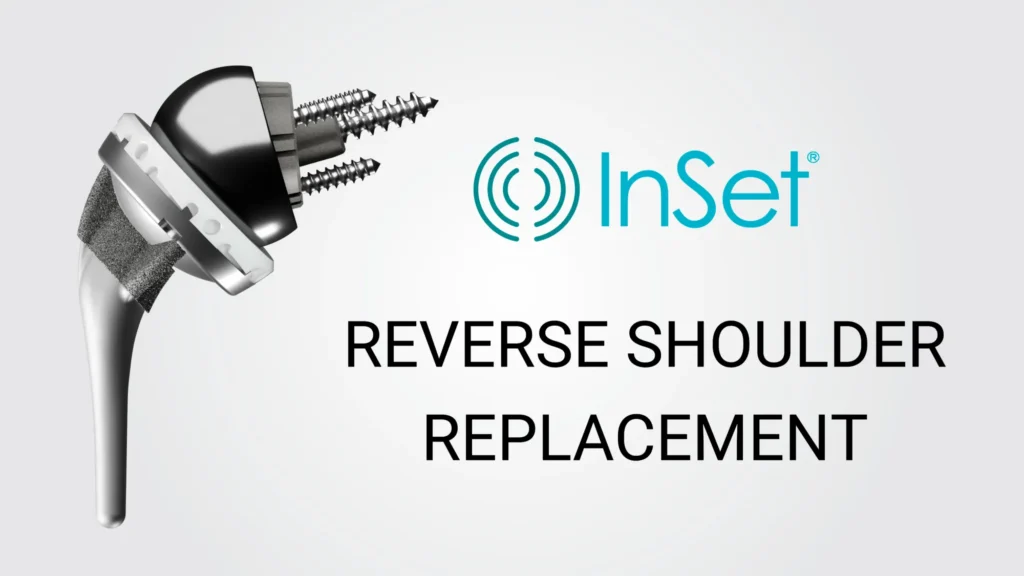
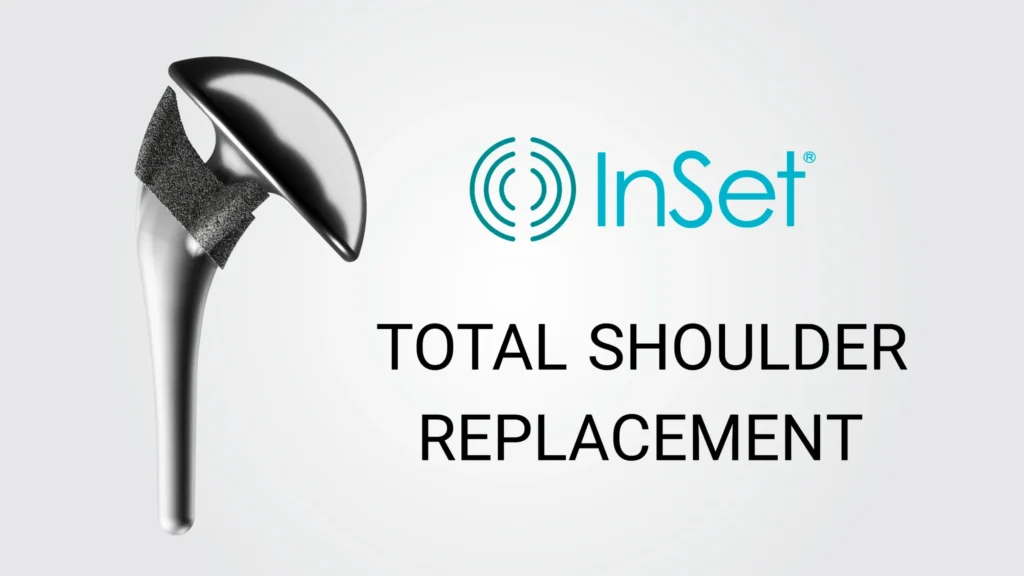
The decision between these two approaches often hinges on rotator cuff health more than age itself. A patient in their 80s with an intact rotator cuff may still be a strong candidate for an anatomic replacement, while a younger patient with significant cuff damage may be better served by a reverse replacement.
Why Recovery Can Look a Little Different Later in Life
Older adults carry a few extra variables into recovery that a 30-year-old typically doesn’t. Bone density tends to decrease with age, which can influence how firmly an implant seats and how quickly it integrates. Muscle mass and baseline strength also tend to be lower, so rebuilding function may take a bit more patience. Other health conditions, like diabetes or cardiovascular disease, can affect healing time and need to be managed carefully around the time of surgery.
None of this means recovery is worse for older patients. It just means the plan should be built around the person in front of me, not a generic script. I’ve operated on patients in their 80s who approached rehab with more discipline than patients half their age, and their outcomes reflected that. Motivation and consistency in physical therapy tend to matter more than chronological age.
Preparing Before Surgery Matters More Than People Expect
Recovery doesn’t start in the operating room. It starts in the weeks leading up to it, and this is a stage I think gets overlooked, especially for older patients. Strengthening the shoulder beforehand, sometimes called prehabilitation, tends to make early rehab noticeably more manageable, and adequate protein intake in the weeks around surgery supports tissue healing. Setting up your home ahead of time is also a helpful step. This includes moving frequently used items to waist height, arranging a comfortable recovery chair, and having loose, front-button clothing ready.
The Recovery Timeline, Week by Week
Every recovery is somewhat individual, but a general pattern holds true for most patients.
The First Few Weeks
Immediately after surgery, your arm goes into a sling to protect the healing tissue. Pain and swelling are expected during this phase and are managed with medication. Gentle, passive range-of-motion exercises usually begin within the first couple of weeks. During passive motion, a physical therapist moves your arm for you, without your muscles doing any of the work. This early motion helps prevent stiffness from setting in while the joint heals.
Weeks Three Through Six
As healing progresses, therapy shifts toward active-assisted range of motion. You start contributing some of the effort yourself, often with help from your other arm or the therapist. This stage is where consistency starts to pay off. Patients who show up for every session, even the ones that feel repetitive, tend to move ahead of schedule.
Months Two Through Six
This is usually where strengthening begins. Therapy targets the rotator cuff muscles for an anatomic replacement or the deltoid for a reverse replacement, along with surrounding shoulder muscles. Many patients notice they can manage more of their daily routine, dressing, reaching into cabinets, carrying light bags, without the pain that brought them to my office in the first place.
Progress during this stretch is rarely a straight line. I tell patients that plateaus are a normal part of tissue healing, not a sign that anything has gone wrong. What matters is the overall trend across a month, not any single session.
Six Months and Beyond
Functional strength and endurance continue building for up to a year or longer after surgery. Pain relief usually arrives well before full strength does, which surprises some patients. I tell people not to judge the whole recovery by how strong the shoulder feels at three months. It’s still writing its story at that point.
What I See in My Patients
A meaningful share of the shoulder replacements I perform in my Bergen County practice, across my Paramus, Franklin Lakes, and Montvale offices, are on patients in their 70s and even 80s who assumed they had aged out of surgical options. Many come in walking gingerly, favoring the shoulder, having quietly given up activities they used to enjoy. What I tell them is that the goal isn’t to turn back the clock. It’s to get them back to gardening, playing with grandchildren, or simply sleeping through the night without pain, which for many patients is the thing they miss most.
I’ve also noticed that older patients sometimes underestimate how much support they’ll need at home in the first two to three weeks. Simple tasks like washing hair or buttoning a shirt become genuinely difficult with one arm out of commission, so I encourage patients to line up help before surgery, not scramble for it afterward. The patients who do best tend to have a specific goal driving them, whether it’s carrying their own grocery bags again or getting back to a hobby they’d quietly given up. Having something concrete to work toward seems to carry people through the less exciting weeks of rehab.
My Approach to Treatment and Recovery Support
When I’m planning shoulder replacement for an older patient, I spend extra time on details that don’t show up in a standard consent form. I review bone quality carefully on imaging, and in my practice I rely on the InSet® Shoulder System along with ProVoyance® preoperative planning software to map implant position in three dimensions before I ever step into the operating room. This matters, especially in patients with softer bone, since accurate positioning may help support long-term implant stability.
Practical Tips to Support a Smooth Recovery
- Arrange help at home for the first two to three weeks, especially for dressing, bathing, and meal preparation.
- Set up a comfortable place to sleep, since many patients find a recliner or propped-up position easier than lying flat early on.
- Keep frequently used items at waist height to avoid reaching overhead before your surgeon clears you to do so.
- Attend physical therapy consistently, even on days when motivation is low. Small, regular gains add up faster than sporadic effort.
- Ask your surgical team specific questions about medication management, especially if you’re on blood thinners or diabetes medication.
When to Contact Your Surgeon
Some discomfort and swelling are a normal part of healing, but certain symptoms deserve a phone call rather than a wait-and-see approach. These include pain that worsens instead of improving, fever or chills, redness or drainage at the incision site, a sudden loss of motion or strength, or a sense that the shoulder feels like it’s shifting out of place. I’d rather hear from a patient early and rule something out than have them wait through a problem that’s had time to grow. For a broader look at what can happen after this surgery and how we work to prevent it, our page on avoiding complications after shoulder replacement covers this in more detail.
Summary
Shoulder replacement recovery for older adults follows a fairly predictable arc: a protected sling phase, gentle passive motion, a gradual build toward active strengthening, and continued improvement for up to a year or longer. Age influences the plan, but it rarely rules out the surgery itself. What tends to matter more is bone quality, overall health, and a genuine commitment to the rehab process once the operation is behind you. If shoulder pain has been holding you back and you’re wondering whether replacement makes sense at your age, the next step is a hands-on evaluation, not a guess based on a birth year. Schedule a consultation and bring your imaging and your questions. We’ll go through your options together and build a plan around your life, not a generic template.
Frequently Asked Questions
Am I too old for shoulder replacement surgery?
Age alone is rarely a disqualifying factor. I evaluate bone quality, overall health, and activity goals rather than relying on a number. Many patients in their 70s and 80s do very well with this procedure when they’re otherwise reasonably healthy.
How long will I need help at home after surgery?
Most patients benefit from having assistance for at least the first two to three weeks, particularly with dressing, bathing, and meal preparation, since the arm stays in a sling and one-handed tasks are more difficult than expected.
Will I regain full use of my shoulder?
Many patients experience meaningful pain relief within the first several weeks, while strength and range of motion continue to improve for up to a year. Full recovery timelines vary based on your starting condition and consistency with therapy.
What activities can I return to after recovery?
Lower-impact pursuits like swimming, golf, gardening, and walking are generally well tolerated after full recovery. High-impact activities and heavy overhead lifting are usually discouraged to help protect the implant over the long term.