


Chronic shoulder pain can significantly impact daily life, making even simple tasks challenging and limiting both work and recreational activities. For many individuals, shoulder replacement surgery offers a viable solution, aiming to provide relief from pain, restore movement, and improve overall quality of life. In this post, we will explore shoulder replacement surgery, the conditions it addresses, and what patients can expect during the recovery journey.
Key Takeaways
- Shoulder replacement surgery primarily aims to alleviate pain and restore shoulder function, often due to arthritis, severe fractures, or rotator cuff damage.
- The two main types are anatomic total shoulder replacement and reverse shoulder replacement.
- While pain relief can be significant early on, recovery typically ranges from six months to a year, depending on the individual and the type of surgery.
What Shoulder Replacement Surgery Involves
Shoulder replacement, also known as shoulder arthroplasty, is a surgical procedure designed to help alleviate chronic pain and restore mobility in a damaged shoulder joint. This involves removing the worn or diseased parts of the shoulder and replacing them with artificial components. The goal is to recreate the smooth, pain-free movement of a healthy shoulder.
The shoulder joint is a ball-and-socket joint composed of two main bones: the humerus (upper arm bone) and the scapula (shoulder blade). The ball is the head of the humerus, and the socket is a part of the scapula called the glenoid. Both surfaces are typically covered with smooth articular cartilage, which allows for smooth movement. When this cartilage wears away due to conditions like arthritis, or when the bones are severely fractured, movement can become painful and restricted.
There are two primary types of shoulder replacement procedures, each tailored to specific patient conditions. These are anatomic total shoulder replacement and reverse total shoulder replacement. Understanding the distinctions between these procedures is important for patients considering surgery.
Anatomic Total Shoulder Replacement
Anatomic total shoulder replacement is the more traditional approach, closely mimicking the natural anatomy of the shoulder joint. In this procedure, the damaged humeral head is replaced with a metal ball, and the damaged glenoid is resurfaced with a smooth plastic component.
This type of replacement is typically recommended for patients with an intact rotator cuff (a group of muscles and tendons surrounding the shoulder joint). The rotator cuff plays an important role in controlling the movement of the joint.
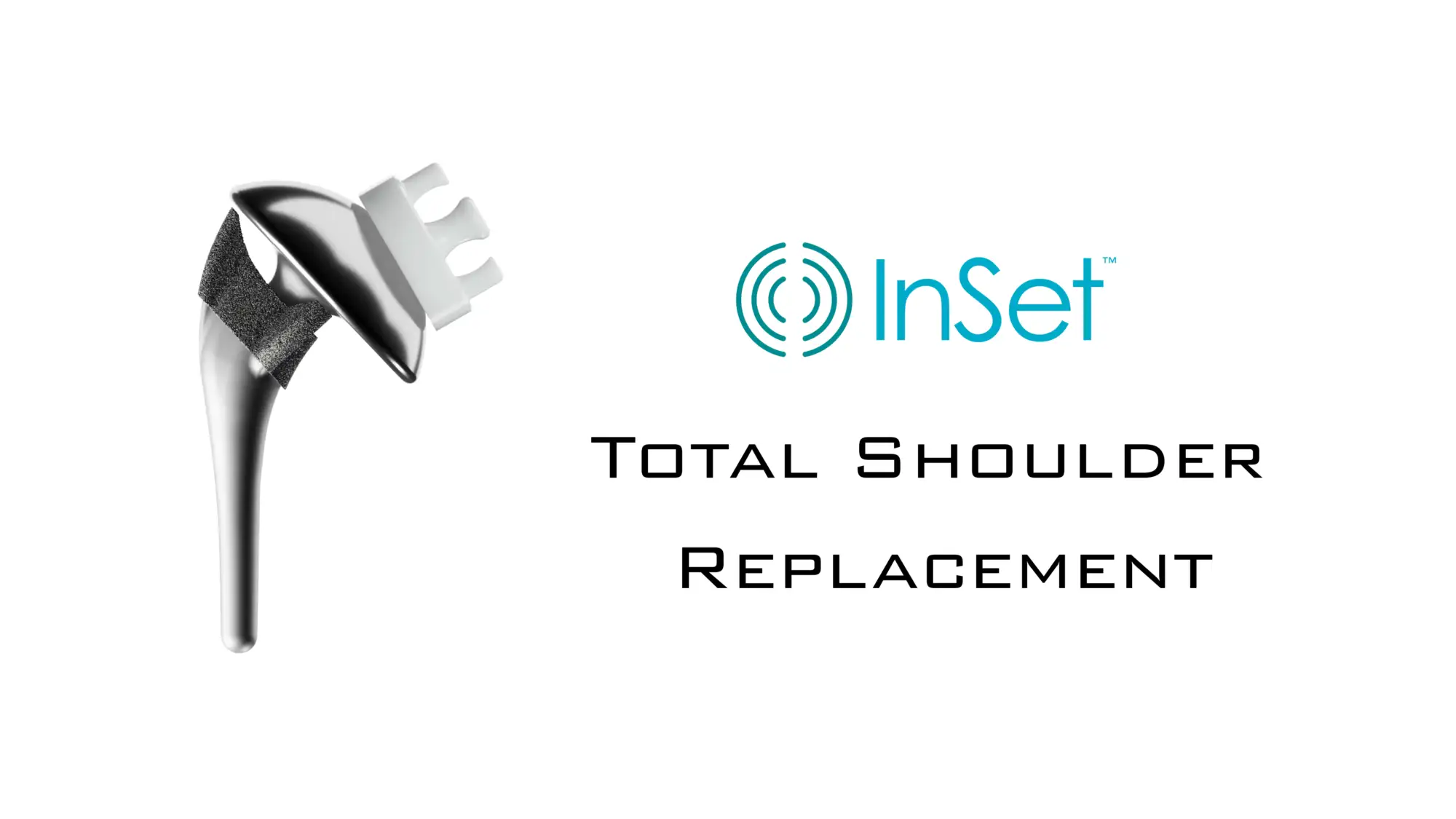
Recovery times can vary, with many patients experiencing significant improvement within six months to a year.
Reverse Shoulder Replacement
Reverse total shoulder replacement is a specialized procedure that alters the shoulder’s natural ball-and-socket configuration. As its name suggests, the ball component is fixed to the shoulder blade (glenoid), and the socket component is placed on the upper arm bone (humerus).
This procedure was originally developed for individuals who have a damaged or irreparable rotator cuff. In such cases, a total shoulder replacement may be inadequate because the damaged rotator cuff would be unable to control the new joint. Reverse shoulder replacement addresses this by shifting the responsibility for arm movement from the compromised rotator cuff to the deltoid muscle.
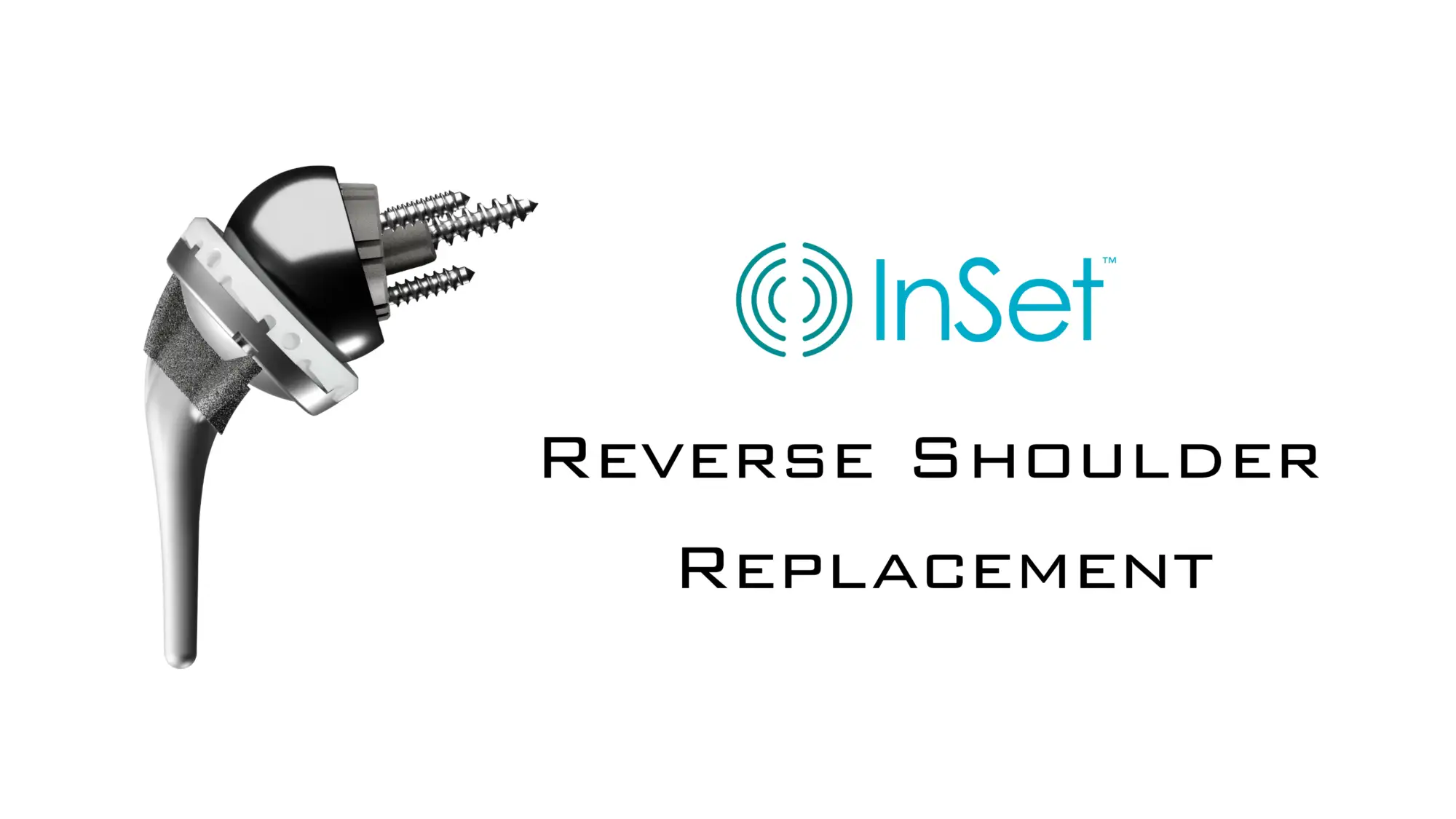
By reversing the ball and socket, the deltoid muscle becomes more efficient at lifting the arm, supporting patients with severe rotator cuff tears. This innovative approach has provided an effective solution for many who previously had limited treatment options, offering a pathway to restored mobility and pain relief. More recently, this procedure has been used more in patients with a working rotator cuff as well.
When is Shoulder Replacement Surgery Necessary?
Several conditions can lead to the recommendation for shoulder replacement, primarily those that cause severe damage to the joint surfaces or surrounding structures. These include various forms of arthritis, complex fractures, and extensive rotator cuff damage.
To determine if shoulder replacement is the appropriate course of action, a thorough medical evaluation is essential. This usually involves a detailed physical examination, a review of the patient’s medical history, and advanced diagnostic imaging. X-rays are often the first step, providing a view of bone structure and joint space. MRI scans offer detailed images of soft tissues, such as the rotator cuff tendons.
An experienced shoulder surgeon can evaluate the injury and help guide the most appropriate treatment path.
The Benefits of Shoulder Replacement Surgery
For individuals suffering from persistent shoulder pain and functional limitations, shoulder replacement surgery can be a valuable treatment option. The primary goals of the surgery are to alleviate pain, restore mobility, and improve the overall quality of life.
Pain Relief
One primary benefit reported by many patients after shoulder replacement is the reduction of chronic shoulder pain. This pain, often caused by bone-on-bone friction from arthritis or severe fractures, may be unresponsive to conservative treatments.
Improved Range of Motion and Function
Shoulder replacement surgery aims to restore the mechanics of the shoulder joint, leading to improvements in the range of motion. This enhanced mobility may allow patients to perform everyday activities with greater ease, such as reaching overhead, dressing, grooming, and carrying objects.
Enhanced Quality of Life
The cumulative effect of pain relief and improved function may lead to a meaningful improvement in quality of life for patients. Many individuals who undergo shoulder replacement report being able to return to hobbies, sports, and social activities that their shoulder pain previously prevented them from enjoying.
Recovery Process After Shoulder Replacement Surgery
The recovery process following shoulder replacement surgery is a key phase that can influence the long-term success of the procedure. While individual recovery times can vary, a typical timeline involves several stages, each with specific goals.
Immediate Post-Operative Period
Immediately after surgery, patients will typically experience some pain, which may be managed with medication. The primary goals during this phase are pain control, wound care, and preventing stiffness.
The arm will be placed in a sling to protect the healing tissues and limit movement. The sling is usually worn for several weeks. Early physical therapy often begins within the first few weeks, focusing on gentle passive range-of-motion exercises, where the therapist moves the arm without the patient’s muscle activation.
Rehabilitation Phase
As physical therapy progresses, the focus gradually shifts from passive to active-assisted range-of-motion exercises. Patients will begin to use their own muscles to move the arm, but often with assistance from the therapist or their other hand.
The next step is incorporating active range-of-motion exercises and strengthening. Exercises generally target the rotator cuff muscles (for anatomic replacement) or the deltoid muscle (for reverse replacement) and surrounding shoulder muscles. The goals are to restore functional strength, improve endurance, and continue expanding the range of motion.
By the end of the rehabilitation phase, most patients can return to many of their normal activities, though high-impact sports or heavy overhead lifting may still be restricted.
Long-Term Recovery
Functional recovery from shoulder replacement surgery often takes anywhere from six months to a year. During this period, patients continue to refine their strength, endurance, and range of motion. Regular follow-up appointments with the surgeon will monitor the implant’s integrity and the overall recovery progress.
Summary
Whether through an anatomic total shoulder replacement or a reverse shoulder replacement, the goal of shoulder replacement surgery remains consistent: to alleviate pain, restore mobility, and enhance the patient’s overall quality of life.
Understanding the nuances of each surgical approach, the conditions they address, and the recovery process can empower patients to make informed choices. The journey through shoulder replacement, from initial diagnosis to full recovery, often requires patience, commitment to rehabilitation, and a proactive approach to one’s health. With careful planning, expert surgical care, and dedicated post-operative therapy, many patients can look forward to a future with reduced pain and improved function.
Frequently Asked Questions
What is the difference between total shoulder replacement and reverse shoulder replacement?
In a total shoulder replacement, the damaged ball and socket are replaced with artificial components mimicking the natural anatomy. In a reverse total shoulder replacement, the ball and socket positions are reversed: a ball is placed on the shoulder blade, and a socket is placed on the upper arm bone. This is typically used for patients with irreparable rotator cuff tears or complex fractures, as it allows the deltoid muscle to power arm movement.
How long is the recovery period?
The functional recovery period for shoulder replacement surgery often ranges from six months to a year. The initial weeks involve protecting the shoulder and beginning gentle passive exercises. Over several months, rehabilitation progresses to active-assisted and then active strengthening exercises.
Can I return to all my normal activities after shoulder replacement?
Many patients experience significant improvement in pain and function, allowing them to return to a wide range of daily activities and recreational pursuits. However, high-impact activities, heavy lifting, and certain overhead sports may still be restricted to protect the implant and ensure its longevity. Your surgeon and physical therapist will provide specific guidance based on your individual recovery.
What are the alternatives to shoulder replacement surgery?
Before considering surgery, non-surgical treatments are typically explored. These may include physical therapy, anti-inflammatory medications, injections, activity modification, and pain management techniques.