


A shoulder fracture can be a painful and debilitating injury. It often results from a direct impact or a fall, affecting the bones that make up the shoulder joint. This type of injury can severely limit arm movement and impact daily activities. Understanding the nature of a shoulder fracture, its causes, and available treatments is helpful for recovery. In this post, we’ll explore shoulder fractures, offering insights into diagnosis, treatment options, and the rehabilitation process.
Key Takeaways
- Shoulder fractures involve breaks in the clavicle, scapula, or proximal humerus, each with distinct characteristics.
- Symptoms often include severe pain, swelling, bruising, and an inability to move the arm.
- Treatment approaches vary, ranging from non-surgical methods like immobilization to surgical repair, depending on the fracture’s severity.
- Preventive measures, such as improving balance and maintaining bone health, can help reduce the risk of these injuries.
What is a Shoulder Fracture?
A shoulder fracture refers to a break in one of the three bones that form the shoulder joint. These bones include the clavicle (collarbone), the scapula (shoulder blade), and the proximal humerus (the upper part of the arm bone). Each type of fracture presents unique challenges and requires specific considerations for treatment.
Anatomy of the Shoulder
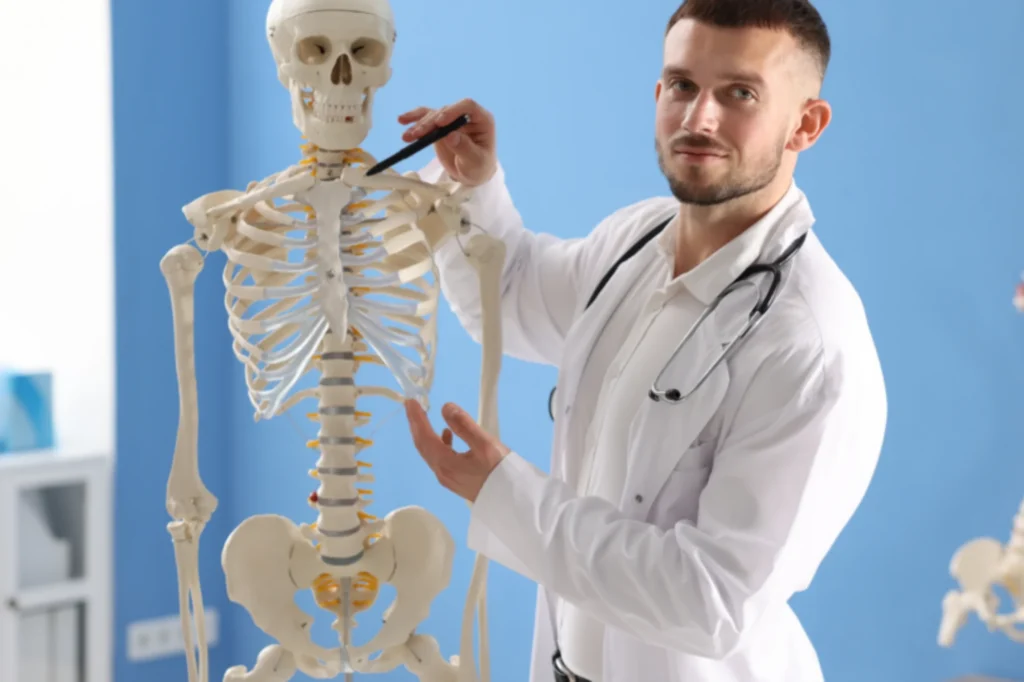
The shoulder is a ball-and-socket joint that connects the arm to the torso. The rounded head of the humerus fits into a shallow socket in the scapula called the glenoid. Because this socket is relatively small, the joint relies on surrounding structures for stability. The rotator cuff muscles and their tendons help keep the arm centered in the socket, while ligaments provide additional support. The clavicle (collarbone) acts like a strut, connecting the shoulder to the chest and helping maintain proper alignment. Together, these structures allow the shoulder to lift, rotate, and reach in many directions.
Types of Shoulder Fractures
Shoulder fractures are categorized by the specific bone involved. Each type has its own common causes and treatment considerations.
Clavicle Fractures
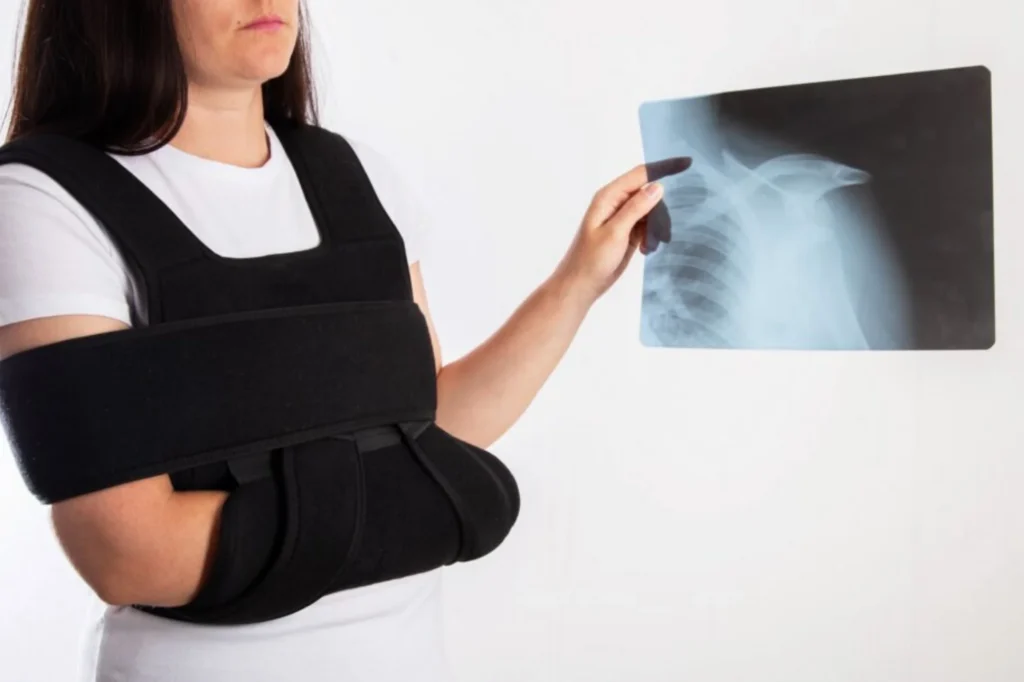
Clavicle fractures most often occur after a fall onto the shoulder or a direct blow to the area. They typically cause pain, swelling, and sometimes a visible bump or deformity along the collarbone. Many of these fractures heal well with non-surgical treatment, such as a sling and activity modification, while more complex or displaced injuries may require surgery to restore proper alignment.
Proximal Humerus Fractures
These fractures affect the upper portion of the arm bone near the shoulder joint. They are most common in older adults, particularly those with osteoporosis, and often occur after a fall. The severity can vary widely. Some fractures remain stable and can heal with non-surgical treatment, such as a sling and guided early motion. Others are displaced, meaning the bone fragments have shifted out of position and may require surgery. Depending on the injury, this can involve plates and screws or, in some cases, shoulder replacement.
Scapula Fractures
Scapula fractures are uncommon and usually occur after high-energy trauma, such as a car accident or a severe fall. Because the shoulder blade is well protected by surrounding muscles and the rib cage, it usually takes a significant amount of force to break it. When these fractures do happen, they are often accompanied by other injuries. Patients typically experience significant pain and very limited shoulder movement. Most scapula fractures can be treated without surgery unless they are severely displaced, which is less common given how well protected the scapula is by surrounding muscle. Recovery can take time, and physical therapy frequently plays a key role in restoring strength and mobility.
Symptoms and Diagnosis
Recognizing the signs of a shoulder fracture is important. Prompt medical attention can lead to better outcomes. While symptoms can vary, some common indicators exist.
Recognizing the Signs
Immediate, intense pain is usually the first sign of a shoulder fracture, and it may become worse with movement. Swelling and bruising around the shoulder are common, and in some cases, the shoulder may appear misshapen or out of place. Many people are unable to lift or move the arm normally. You might also feel a grinding or popping sensation when the broken bone ends rub against each other. Numbness or tingling can occur as well, which may indicate irritation or injury to nearby nerves.
Diagnostic Procedures
Diagnosing a shoulder fracture usually starts with a physical exam. Your doctor will ask about your pain, look for swelling or deformity, and gently assess how much you can move the shoulder. Imaging tests are then used to confirm the diagnosis and understand the full extent of the injury. X-rays are typically the first step and can clearly show most bone breaks. If the fracture is complex, a CT scan may be ordered to provide detailed, three-dimensional views that help with surgical planning. An MRI may also be used when there is concern for soft-tissue damage, such as a rotator cuff tear.
Treatment Options for Shoulder Fractures
Treatment for a shoulder fracture depends on several factors, including the type of fracture, its severity, and the patient’s overall health. The goal of treatment is to reduce pain, restore function, and promote healing. An experienced orthopedic specialist can discuss the most appropriate options for your specific situation.
Non-Surgical Approaches
Many shoulder fractures can heal without surgery, especially when the broken pieces of bone remain well aligned. In these cases, treatment focuses on protecting the injury, managing pain, and gradually restoring movement.
Immobilization
During the early healing phase, the shoulder is usually supported with a sling or shoulder immobilizer. This keeps the arm in a safe position and prevents unnecessary movement while the bone begins to heal. Most people need to wear the sling for a few weeks, though the exact length of time depends on the fracture and your doctor’s guidance.
Pain Management
Controlling pain is a key part of recovery. Over-the-counter medications such as acetaminophen or ibuprofen are often enough, but stronger pain relievers may be prescribed for more severe discomfort. Ice packs may also help reduce swelling and ease pain when applied for about 15 to 20 minutes at a time.
Physical Therapy
Even when surgery isn’t needed, physical therapy plays an important role in recovery. Once the initial period of immobilization is over, a therapist can guide you through gentle exercises to restore range of motion and prevent stiffness. As healing progresses, strengthening exercises are added to help rebuild muscle and support the shoulder.
Surgical Interventions
Surgery may be needed for certain shoulder fractures, especially when the broken bone fragments are displaced or severely out of alignment. Open fractures, where the bone breaks through the skin, also generally require surgical treatment to minimize the risk of developing an infection. The specific approach depends on the fracture pattern, as well as the patient’s age, bone quality, and activity level.
Open Reduction and Internal Fixation (ORIF)
ORIF is one of the most common surgical methods used to repair shoulder fractures. During this procedure, the surgeon makes an incision to realign the broken bone pieces and then secures them with plates, screws, wires, or implants that go within the bone such as a nail. This hardware holds the fragments in the correct position while the bone heals.
Arthroplasty (Joint Replacement)
In more severe injuries, shoulder joint replacement may be recommended. This is most frequently considered for complex fractures of the upper arm bone near the shoulder, especially when the blood supply to the humeral head is damaged. In a total shoulder replacement, both the ball and socket of the joint are replaced. A reverse total shoulder replacement is another option and is commonly used in older patients or those with significant rotator cuff damage. The choice between these procedures depends on the fracture pattern and the condition of the surrounding soft tissues.
Preventing Shoulder Fractures
While not all accidents are preventable, you may take steps to reduce your risk of a shoulder fracture. These measures focus on improving bone health and preventing falls.
Tips for Reducing Risk
- Maintain Bone Health: Eat a diet rich in calcium and vitamin D, which play an important role in keeping bones strong. Regular weight-bearing exercise also helps support bone density. If you’re at risk for osteoporosis, consider talking with your doctor about bone-density screening.
- Prevent Falls: Falls are a leading cause of fractures, especially as we get older. Activities like tai chi or yoga can improve balance and stability. At home, remove tripping hazards, keep rooms well-lit, use handrails on stairs, and wear supportive footwear. Some people may also benefit from assistive devices.
- Use Protective Gear: Wearing proper protective equipment during sports, especially contact or high-impact activities, can reduce the risk of serious injury. Helmets, padding, and other safety gear help absorb impact and protect vulnerable areas.
- Stay Active: Regular physical activity helps strengthen muscles and improve coordination, both of which lower the risk of falls. Choose activities that match your fitness level, and check with your doctor before starting a new exercise program.
Summary
A shoulder fracture is a significant injury, but with effective treatment, many fractures successfully heal. Whether it involves the clavicle, upper arm bone, or shoulder blade, many fractures can recover with non-surgical care, while more complex cases may require surgery. An orthopedic specialist can help guide diagnosis, treatment, and recovery for the best possible outcome.
Frequently Asked Questions (FAQ)
How long does it take for a shoulder fracture to heal?
Healing times can vary depending on the type and severity of the fracture. In general, the bone begins to heal in weeks to months, but full recovery, including regaining strength and range of motion, can take several months to a year. Your doctor can give you a more personalized timeline based on your specific injury and treatment plan.
Will I need surgery for my shoulder fracture?
Not all shoulder fractures require surgery. Many stable fractures heal well with non-surgical treatments, including immobilization and physical therapy. Your orthopedic specialist can help determine if surgery is an option for you.
What can I do to manage pain after a shoulder fracture?
Pain management is an important part of recovery. Many people find relief with over-the-counter medications such as acetaminophen or ibuprofen, while stronger prescription medications may be used if pain is more severe. Ice packs can help reduce swelling and discomfort, and keeping the arm slightly elevated may also provide relief. Always follow your doctor’s guidance when using pain medications and managing symptoms.