


If you’ve recently been told you have a rotator cuff tear, one of the first questions that likely comes to mind is, “Can rotator cuff tears get worse over time?” The short answer is that yes, in many cases, rotator cuff tears can worsen, particularly when left unmonitored or unmanaged. However, not every tear behaves the same way, not every patient faces the same risks, and not every situation calls for immediate surgery. Understanding what influences tear progression can help you take a more active role in your own shoulder health.
Key Takeaways
- Rotator cuff tears may grow larger over time, especially without proper management or monitoring.
- Several factors, including age, tear size, activity level, and smoking, may influence whether a tear progresses.
- Symptoms like increasing pain, new weakness, or reduced range of motion may signal that a tear is getting worse.
- Non-surgical approaches may be highly effective for some tears, but for others, surgery may be considered.
What Is a Rotator Cuff Tear?
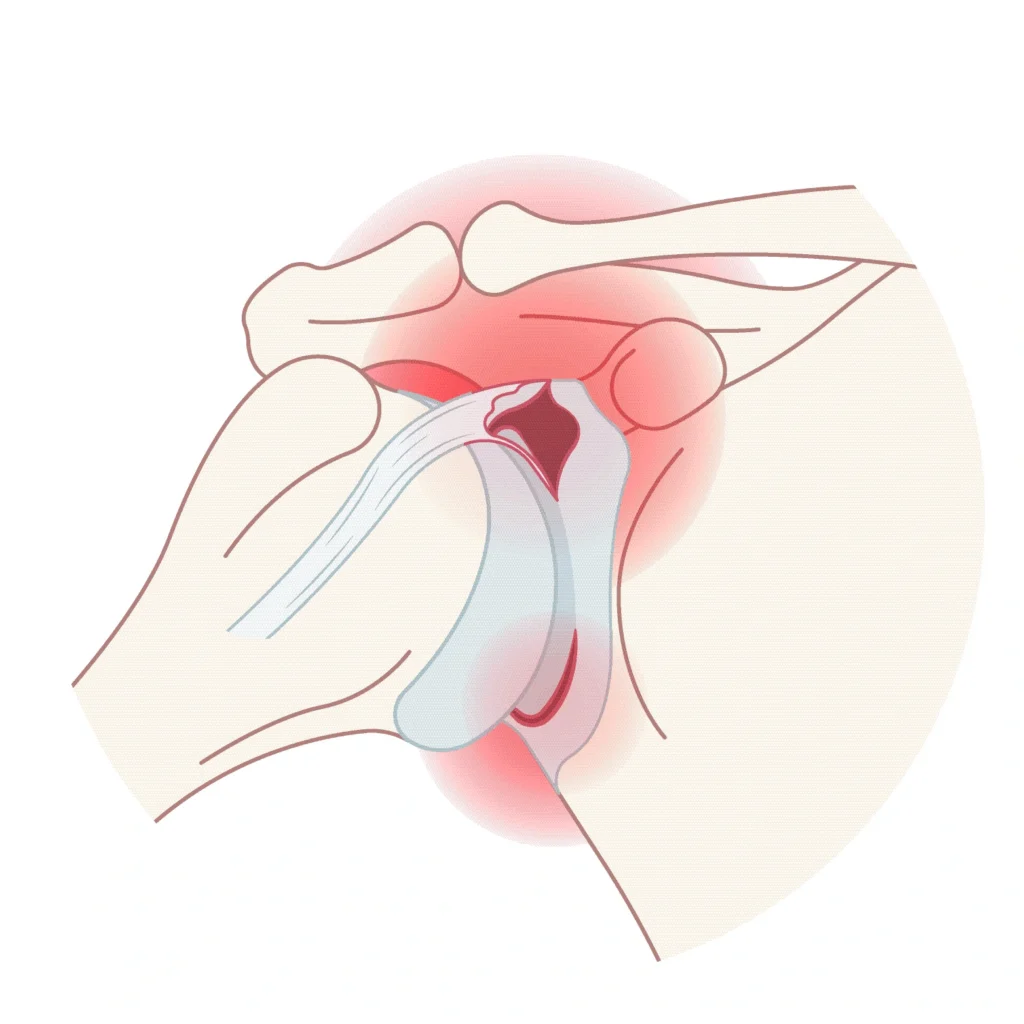
The rotator cuff is a group of four muscles and their attached tendons that surround the shoulder joint. Together, they stabilize the joint and give your arm the ability to lift, rotate, and reach in just about every direction. When one or more of those tendons become damaged or torn, that’s a rotator cuff tear.
Tears generally fall into two categories. A partial tear means the tendon is damaged but still partially intact. A full-thickness tear, sometimes called a complete tear, goes all the way through the tendon, disconnecting it from the bone. Both types can cause pain, weakness, and limited shoulder function, though symptoms vary quite a bit from person to person.
Rotator cuff tears can happen suddenly, such as from a fall or an abrupt forceful movement. More often, though, they develop gradually over time as the result of repetitive use, natural aging, or a combination of both. That gradual onset is actually part of why many patients don’t realize they have a tear until the symptoms become difficult to ignore.
Can Rotator Cuff Tears Get Worse Over Time?
Research does suggest that many rotator cuff tears tend to progress. One reason for this is mechanical. Once a tendon is torn, the remaining tissue may be subjected to increased mechanical stress during movement. Over time, that extra load can cause the tear to extend further. The torn edge may begin to retract in some cases, which can make future surgical repair more difficult.
There’s another concern worth understanding: a process called fatty infiltration. When a rotator cuff tendon remains torn for an extended period, the associated muscle may undergo changes. It can gradually begin to be replaced by fatty tissue. In cases where significant fatty infiltration has developed, surgical repair may not fully restore muscle strength. This is one of the key reasons why early evaluation matters.
That said, not every rotator cuff tear progresses at the same rate or in the same way. Some tears stay relatively stable for years. Others grow more quickly. The variables driving progression aren’t always perfectly predictable, which is exactly why staying in close communication with an experienced shoulder specialist is so valuable.
What Factors May Cause a Rotator Cuff Tear to Progress?
Several factors may influence whether a rotator cuff tear worsens over time. Understanding these can help shape a more personalized approach to treatment and monitoring.
Age
As we get older, the tendons in our shoulders naturally lose some of their elasticity and blood supply. This makes them more vulnerable to further damage. Research has consistently suggested that older patients tend to experience higher rates of tear progression compared to younger patients.
Tear Size at the Time of Diagnosis
Larger tears are generally more likely to continue growing than smaller ones. A small partial tear may stay relatively stable with appropriate management. But once a tear reaches a certain size, especially a full-thickness tear, the risk of progression may increase. Knowing the size and type of your tear from the outset is a meaningful part of planning how to approach it.
Inactivity and Disuse
It may seem logical to rest the shoulder completely, but prolonged inactivity can actually allow the surrounding muscles to weaken and atrophy. Reduced blood flow and muscle disuse may accelerate the tissue changes that make repair more complicated later on. Guided, appropriately paced movement often serves the shoulder better than complete rest.
Overuse and Repetitive Overhead Activity
On the other end of the spectrum, continuing to push through pain with heavy or repetitive overhead demands can also accelerate tear progression. Repeated mechanical stress on an already damaged tendon may cause it to extend further over time. Finding the right balance is key, and that balance looks different for every patient.
Smoking
Smoking has been linked to poorer tendon health in several studies. The reduced blood flow associated with smoking may impair the tendon’s ability to resist further damage and recover from stress.
Repeated Corticosteroid Injections
Steroid injections can provide effective short-term pain relief, but some evidence suggests that repeated injections over time may negatively affect tendon tissue integrity. This is worth discussing with your doctor when planning longer-term care.
Signs Your Rotator Cuff Tear May Be Getting Worse
Knowing what to pay attention to can help you catch changes before they become more serious. While everyone’s experience is a little different, some patterns may suggest that a rotator cuff tear is progressing:
- Increasing pain, particularly at night or with overhead activities
- New or worsening weakness when lifting the arm or rotating the shoulder
- Reduced range of motion, or the feeling that the shoulder is getting stiffer or harder to move
- A shift in the quality of pain, such as moving from occasional aching to more constant discomfort
- Difficulty with everyday tasks you were managing before, like reaching overhead, carrying groceries, or getting dressed
These changes don’t always indicate a dramatic structural shift. But they’re worth taking seriously. If you notice any of these signs, reaching out to a shoulder specialist sooner rather than later may be a good idea.
Who May Be at Higher Risk for Tear Progression?
Rotator cuff tears can affect a wide range of patients, but certain groups may face a higher likelihood of progression. This includes older adults, where age-related changes in tendon quality are more common. Athletes and laborers who continue performing repetitive overhead activities (such as swimmers, baseball pitchers, painters, or construction workers) with a known tear also tend to be at elevated risk.
Patients diagnosed with larger or complete tears face a higher baseline level of structural damage, which may predispose them to faster progression. Those who delay evaluation or treatment risk allowing prolonged muscle disuse and atrophy to develop, changes that complicate any future repair. And as discussed, smokers carry an added burden of compromised tendon health.
If you fall into one or more of these categories, it may be especially worthwhile to have a thorough evaluation and discuss a proactive management plan with your doctor.
What You Can Do to Help Slow Progression
The good news is that there are concrete steps that may help slow tear progression and protect shoulder function over time. These aren’t guarantees, but research suggests that in many cases, they can make a difference.
Activity Modification
Taking stock of which activities aggravate your shoulder and making thoughtful adjustments can reduce ongoing mechanical stress to the tendon. This doesn’t mean giving up all physical activity. It means being intentional about how certain movements are performed and avoiding those that consistently provoke pain.
Managing Inflammation
Controlling inflammation through rest, ice, and over-the-counter anti-inflammatory medications (when appropriate for your situation) may ease discomfort and support your ability to stay engaged in physical therapy. Staying on top of inflammation also tends to make rehab more productive and tolerable.
Quitting Smoking
For patients who smoke, quitting is one of the most impactful steps you can take for your tendon health. It’s a meaningful decision, and one that may genuinely change the long-term trajectory of your shoulder.
Regular Monitoring with Your Shoulder Doctor
Staying in close touch with your doctor allows for ongoing assessment of how the tear is behaving over time. Imaging can help detect changes before they become severe. If progression is caught early, more treatment options may be available before the shoulder reaches a point where repair becomes significantly more complex.
When Should You Consider Treatment?
Whether treatment is needed, and what kind, depends on a range of factors: your symptoms, tear size and type, your age, activity goals, and overall health. For many patients, non-surgical approaches like physical therapy, activity modification, and appropriate medication may provide meaningful relief and help stabilize the shoulder for a substantial period of time.
Surgical repair may be worth exploring in certain situations. If conservative treatment hasn’t provided enough relief, if the tear is large or complete, or if symptoms are significantly affecting daily life or athletic performance, surgery may be recommended.
Every patient is different, and my goal is always to carefully evaluate the full clinical picture before making a recommendation. There’s no one-size-fits-all answer when it comes to rotator cuff care. What matters most is finding the approach that aligns with your specific needs and your life.
Summary
Can rotator cuff tears get worse over time? In many cases, yes, and understanding the factors involved can make a real difference in how you approach your shoulder health. Age, tear size, activity level, smoking, and delayed evaluation can all play a role in whether a tear progresses and how the surrounding muscle holds up. The encouraging thing is that there are meaningful steps you can take to help protect your shoulder, whether through physical therapy, lifestyle changes, or timely surgical repair.
Frequently Asked Questions
How quickly can a rotator cuff tear progress?
Progression varies widely from patient to patient. Some tears remain stable for years, while others grow within months. Factors like age, tear size, activity level, and smoking all appear to influence how quickly a tear may advance. This is part of why regular monitoring is important.
Is it safe to exercise with a rotator cuff tear?
In many cases, guided exercise is not only safe but genuinely beneficial. Physical therapy targeting the muscles that support the rotator cuff may help reduce load on the torn tendon and improve shoulder function over time. However, the type and intensity of activity matters quite a bit. High-demand overhead exercises or movements that provoke significant pain are generally worth avoiding. Always consult with your shoulder doctor or physical therapist before starting a new exercise program with a known rotator cuff tear.
Does a rotator cuff tear always require surgery?
Not necessarily. Many patients manage rotator cuff tears successfully without surgery, particularly when the tear is small or partial, symptoms are manageable, and the patient actively engages in physical therapy and activity modification. However, larger or complete tears, or situations where conservative treatment hasn’t provided adequate relief, may benefit more from surgical repair. The decision is highly individualized and should be based on a careful evaluation of your specific tear and your personal goals.