


Experiencing pain in the shoulder when breathing can be a confusing symptom. The shoulder and the respiratory system may seem unrelated, but a complex network of nerves and musculoskeletal structures connects them. This connection means that discomfort felt in the shoulder can sometimes originate from issues within the chest or abdomen. Understanding the potential causes of this type of pain can be a helpful step toward seeking appropriate medical evaluation and care.
Key Takeaways for a Successful Recovery
- Pain in the shoulder when breathing is sometimes a type of “referred pain,” meaning the source of the problem is located elsewhere in the body, such as the lungs, diaphragm, or other internal organs.
- A thorough diagnostic process, generally involving a physical examination and imaging studies, is important to accurately identify the underlying cause.
- Treatment is highly dependent on the diagnosis and can range from rest and physical therapy for minor strains to medical intervention.
The Concept of Referred Pain
Referred pain occurs when the brain misinterprets pain signals coming from one part of the body as originating from another. This happens because of the intricate web of shared nerve pathways. Nerves from various organs and tissues converge on their way to the spinal cord and up to the brain. When an internal organ, such as the diaphragm or the lungs, becomes irritated or inflamed, the brain may process those pain signals as coming from the shoulder.
The phrenic nerve is a primary example of this phenomenon. This nerve originates in the neck and travels down through the chest to control the diaphragm, the primary muscle used for breathing. The phrenic nerve also happens to provide sensory information to the shoulder area. Consequently, any irritation to the diaphragm or the tissues surrounding it can be perceived as shoulder pain. This is why a deep breath, which causes the diaphragm to contract and move downward, can trigger or worsen the discomfort.
Common Causes Originating from the Lungs and Chest
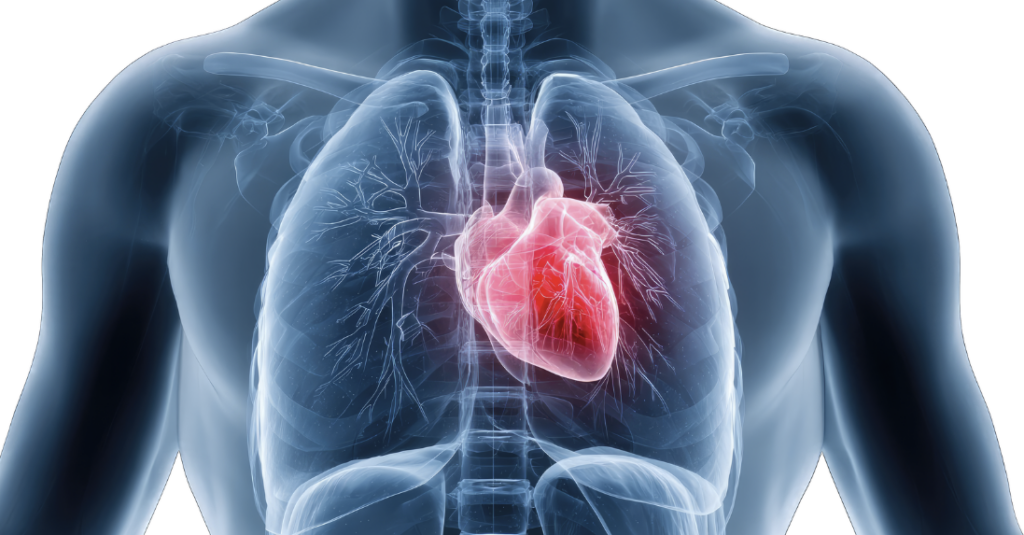
Several conditions affecting the lungs and the chest cavity may cause pain in the shoulder when breathing. These conditions often involve inflammation or irritation of the pleura, the two-layered membrane that surrounds the lungs.
Pleurisy (Pleuritis)
Pleurisy is the inflammation of the pleura. In a healthy state, these two layers of tissue glide smoothly over each other during breathing, lubricated by a small amount of fluid. When they become inflamed, they can rub against each other, causing a sharp, stabbing pain, particularly with deep breaths, coughing, or sneezing. Because the pleura is in close proximity to the diaphragm, this pain can be referred to the shoulder. Treatment typically focuses on addressing the primary cause of the inflammation, whether it be an infection or an underlying systemic condition.
Pulmonary Embolism
A pulmonary embolism (PE) is a serious condition where a blood clot, usually from the legs, travels to the lungs and blocks an artery. This blockage can cause inflammation of the pleura, leading to sharp chest pain that can radiate to the shoulder and worsen with breathing. Other symptoms of a PE may include shortness of breath and a rapid heart rate. A pulmonary embolism is a medical emergency that typically requires immediate treatment.
Pneumothorax (Collapsed Lung)
A pneumothorax occurs when air leaks into the space between the lung and the chest wall, causing the lung to partially or completely collapse. This can happen spontaneously or as a result of an injury. The trapped air puts pressure on the lung and can irritate the diaphragm and pleura, leading to sudden, sharp chest and shoulder pain, along with significant shortness of breath. A large pneumothorax is generally a medical emergency, as it can impair the body’s ability to get enough oxygen.
Pneumonia
Pneumonia is an infection that inflames the air sacs in one or both lungs. If the infection spreads to the outer edges of the lungs and affects the pleura, it can cause the same type of pleuritic chest pain that refers to the shoulder. Patients with pneumonia typically also experience other symptoms, such as fever, chills, coughing, and difficulty breathing. Effective treatment with antibiotics or supportive care usually resolves the inflammation and the associated referred pain.
Pericarditis
Pericarditis is inflammation of the sac around the heart. It can cause sharp chest pain that worsens with deep breaths or lying down, and the discomfort may radiate to the shoulder or upper back. Evaluation may include an ECG, bloodwork, and imaging.
Musculoskeletal Sources of Pain
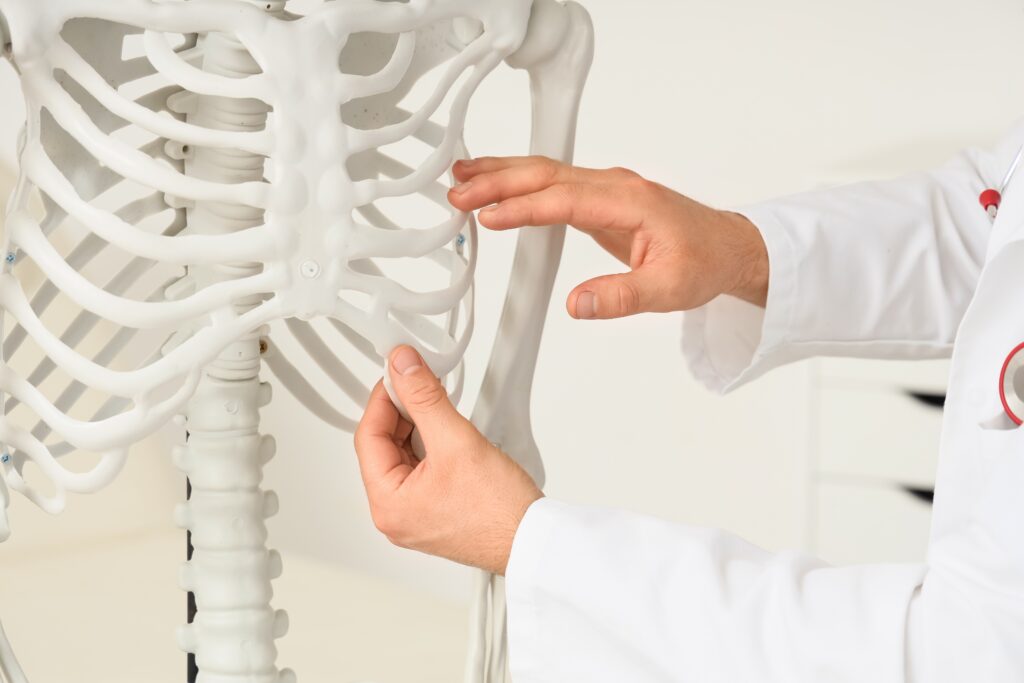
Not all shoulder pain related to breathing originates from internal organs. Sometimes, the issue lies within the musculoskeletal system itself. The act of breathing involves the coordinated movement of the rib cage, spine, and numerous muscles, and an injury to any of these structures can cause pain.
- Muscle Strain: The intercostal muscles, which are located between the ribs, can be strained from forceful coughing, strenuous exercise, or even deep, labored breathing. Similarly, muscles around the shoulder blade, such as the rhomboids or trapezius, can be injured. When these muscles are strained, the expansion and contraction of the chest during breathing can stretch the injured fibers and cause pain. Unlike referred pain from internal organs, muscle strains are usually tender to the touch. You might notice that pressing on a specific spot in your back or between your ribs reproduces the exact shoulder pain you feel when breathing.
- Rib Injuries: A bruised or fractured rib may cause pain with every breath. Due to the proximity of the ribs to the shoulder girdle, this pain can sometimes be felt in the shoulder area. Rib fractures can occur from direct trauma, such as a fall or a car accident, but they can also happen from repetitive stress or severe coughing fits in individuals with weakened bones. Management usually focuses on pain control to allow for adequate breathing.
- Costochondritis: This condition involves the inflammation of the cartilage that connects the ribs to the sternum (breastbone). It causes localized chest pain that can be sharp and tender to the touch. While the pain is centered on the front of the chest, it can sometimes radiate to the back or the shoulder, and it is often made worse by deep breathing or physical activity. The exact cause of costochondritis is often unknown, but it can be linked to physical strain, respiratory infections, or minor trauma to the chest wall.
Referred Pain from Abdominal Organs
The diaphragm serves as the anatomical barrier between the chest and the abdomen, so any condition that irritates the underside of the diaphragm can trigger the same phrenic nerve-mediated referred pain to the shoulder.
Gallbladder Issues
Inflammation of the gallbladder, a condition known as cholecystitis, is a possible cause of referred pain to the right shoulder. The gallbladder is located in the upper right quadrant of the abdomen, just beneath the liver and in close contact with the diaphragm. When it becomes inflamed, often due to gallstones, the irritation can spread to the diaphragm. This may result in pain in the right shoulder or between the shoulder blades, which may be accompanied by nausea, vomiting, and pain in the upper right abdomen.
Liver Abscess or Inflammation
Similar to the gallbladder, the liver is also situated against the diaphragm on the right side of the body. An abscess, inflammation (hepatitis), or other liver conditions can irritate the diaphragm and cause referred pain to the right shoulder. In some cases, a liver tumor or a cyst can also be the source of this irritation. Addressing the underlying liver condition is the primary way to alleviate the referred symptoms.
Pancreatitis
Inflammation of the pancreas, or pancreatitis, can cause severe abdominal pain that often radiates to the back. In some cases, it can also irritate the diaphragm and lead to referred pain in the left shoulder. This is often accompanied by other serious symptoms like nausea, vomiting, and fever. As the pancreatic inflammation subsides, the referred shoulder pain typically resolves as well.
When to Seek Medical Attention
Because shoulder pain that worsens with breathing can have multiple possible causes, the appropriate type of medical evaluation depends on the nature of the symptoms and any accompanying findings. While it may be due to a simple muscle strain, it could also be a sign of a different condition.
When to See a Shoulder Surgeon
A shoulder surgeon may be the right specialist to evaluate symptoms when pain appears to be musculoskeletal in origin, particularly if it involves:
- Pain localized to the shoulder, upper back, or shoulder blade
- Discomfort that worsens with arm movement, posture changes, or certain positions
- Tenderness when pressing on the shoulder, ribs, or surrounding muscles
- A history of shoulder injury, overuse, heavy lifting, or recent physical strain
- Pain that persists despite rest or conservative self-care measures
Conditions such as muscle strains, rib or chest wall dysfunction, scapular muscle irritation, rotator cuff pathology, or joint-related inflammation can sometimes feel worse during deep breathing because breathing naturally involves movement of the chest wall, ribs, and shoulder girdle. An experienced shoulder surgeon can evaluate these structures through a focused physical examination and determine whether imaging or targeted treatment is appropriate.
When Another Medical Provider May Be Needed First
Advanced Strengthening and Endurance
If shoulder pain with breathing is accompanied by systemic or cardiopulmonary symptoms, evaluation by a primary care physician, urgent care provider, or emergency department may be more appropriate. This may include symptoms such as:
- Sudden or severe chest pain
- Shortness of breath or difficulty breathing
- Fever, chills, or signs of infection
- Lightheadedness, fainting, or heart-related symptoms
- Pain that does not change with shoulder or arm movement
These symptoms may indicate a condition unrelated to the shoulder joint itself, such as lung, heart, or abdominal causes, and should be evaluated by the appropriate medical team.
Coordinated Care Matters
In some cases, patients may be referred between providers. A shoulder surgeon may recommend further medical evaluation if symptoms suggest a non-musculoskeletal source, while medical providers may refer patients to a shoulder specialist when orthopedic causes are suspected. This collaborative approach helps support an accurate diagnosis and appropriate care plan.
Summary
Pain in the shoulder when breathing is a symptom that highlights the intricate connections within the human body. The cause can range from a simple musculoskeletal strain to a condition involving the lungs, heart, or abdominal organs. Paying attention to accompanying signs and seeking a timely and accurate diagnosis from a healthcare professional can help with obtaining an appropriate treatment path.
Frequently Asked Questions
Can poor posture cause shoulder pain when breathing?
Yes, poor posture can contribute to this type of pain. Slouching or rounding the shoulders can lead to muscle imbalances and tightness in the chest, neck, and upper back. This can strain the muscles involved in respiration and potentially compress nerves, leading to pain that is noticeable during the expansion and contraction of the chest while breathing.
How is the cause of shoulder pain with breathing diagnosed?
A doctor will typically start with a detailed medical history and a physical examination. They will ask about the nature of the pain, its location, and any other symptoms you are experiencing. Based on these initial findings, they may order further tests.
What are some simple remedies I can try at home?
If the pain is from a minor muscle strain, you may find relief with rest, applying ice or heat, and using over-the-counter anti-inflammatory medications like ibuprofen. Gentle stretching may also help. However, if the pain is severe, persistent, or accompanied by any concerning symptoms, consider seeking a professional medical diagnosis.