


Chronic shoulder pain can have a major impact on your daily life, making even simple tasks difficult and limiting both work and recreational activities. For many, shoulder replacement surgery offers real relief by reducing pain, restoring movement, and improving overall quality of life.
In this post, we will walk through the various types of shoulder replacement procedures, explore the common reasons why someone might consider surgery, and take an honest look at the potential risks and rewards. We will also highlight the importance of selecting a skilled and experienced surgeon, and ultimately tackle the central question: is shoulder replacement surgery worth it?
Key Takeaways
- Shoulder replacement surgery is primarily performed to relieve pain and restore shoulder function. Full recovery typically takes anywhere from six months to two years, depending on the individual.
- A thorough assessment is needed before surgery. This usually involves a range of diagnostic tools, including MRI scans, blood work, electrocardiograms, and imaging such as X-rays or CT scans.
- As with any surgery, there are risks. These may include infection, bleeding, or issues with the implant such as loosening. On the positive side, many patients experience greater shoulder mobility and a noticeable improvement in overall quality of life.
What Shoulder Replacement Surgery Involves
Shoulder replacement is a procedure where worn or damaged parts of the shoulder joint are removed and replaced with artificial components. This is done to reduce pain and restore normal shoulder movement.
The two most commonly performed procedures are known as anatomic total shoulder replacement and reverse total shoulder replacement. We will take a closer look at each of these approaches in the next sections.
Anatomic Total Shoulder Replacement
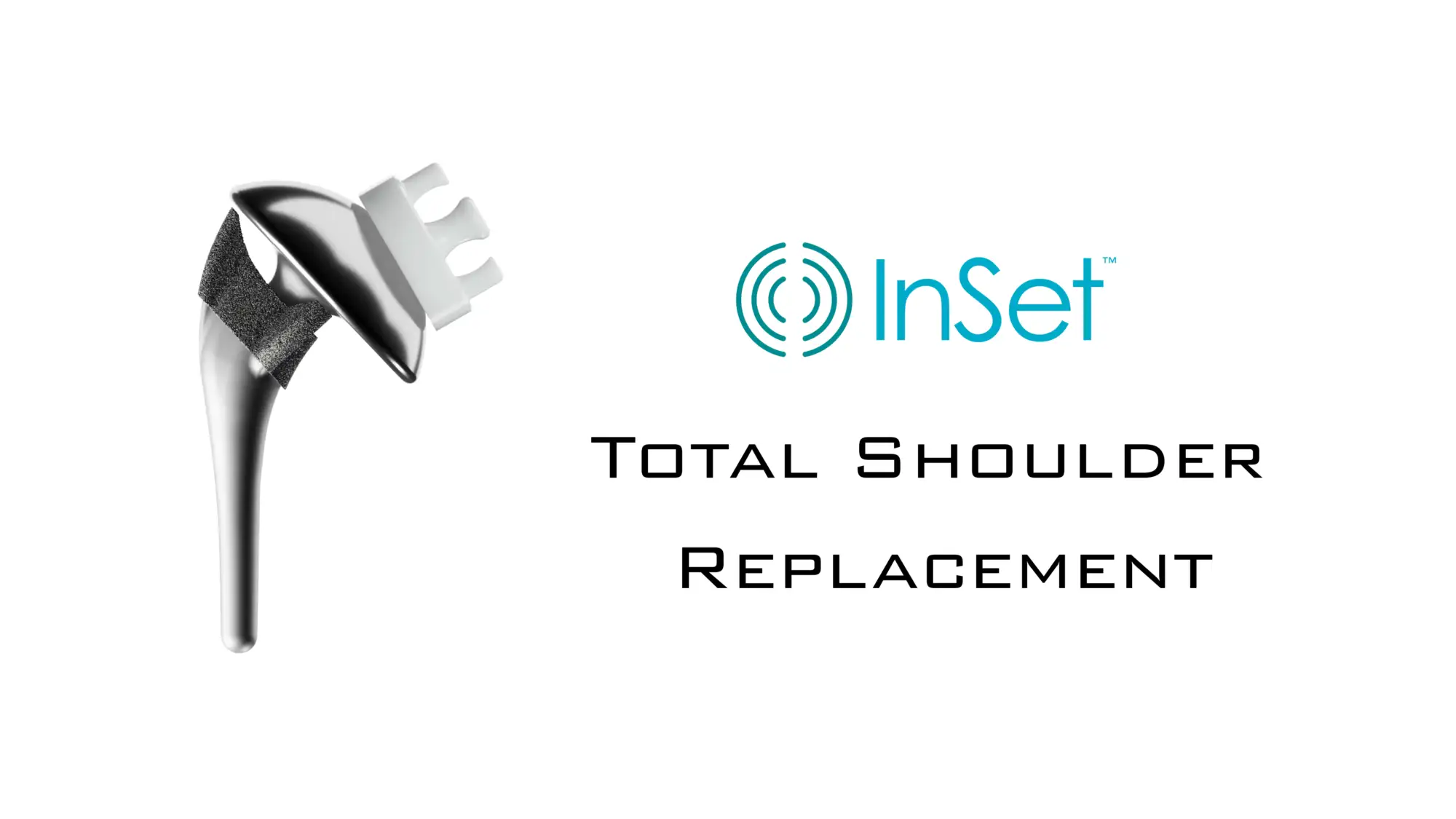
This surgical procedure usually takes less than an hour and a half to complete. It is well-regarded for offering meaningful pain relief and helping patients regain a greater range of shoulder movement.
There are two primary types of implants used in this approach: short-stem implants and stemless implants. The choice between them depends on factors like bone quality and the patient’s specific anatomy.
Recovery timelines can vary. Most people begin to see significant improvement within six months to a year, though it may take up to two years for full strength and normal shoulder function to return.
Reverse Total Shoulder Replacement
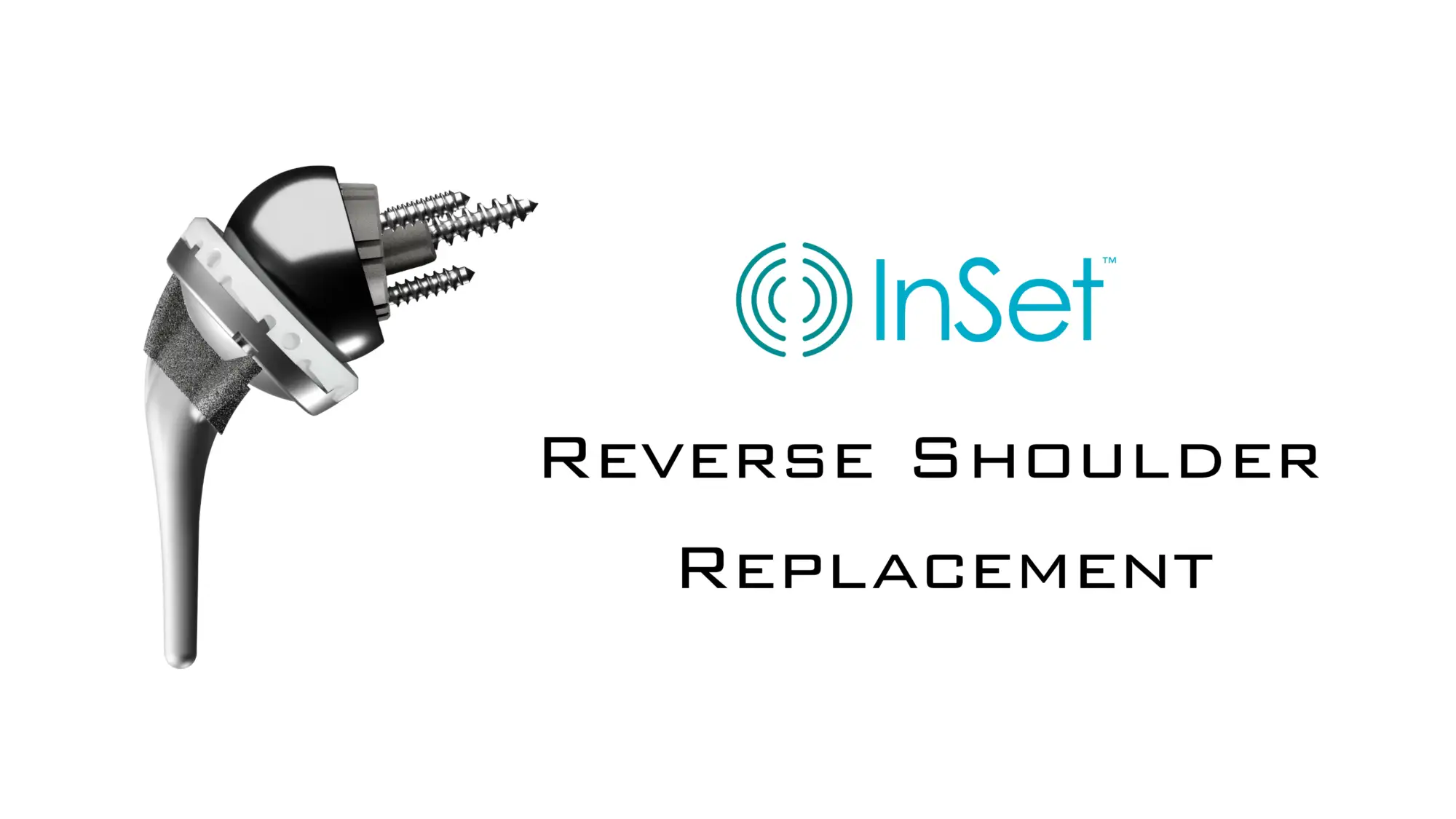
Reverse total shoulder replacement is a specialized procedure designed for individuals with both arthritis and significant damage to the rotator cuff. It offers an effective way to restore movement and reduce pain when other treatments may not be suitable.
This surgery is commonly recommended for patients whose shoulder function is limited due to torn rotator cuff tendons or other structural issues. Unlike the traditional approach, this procedure reverses the normal ball-and-socket structure of the shoulder joint. As a result, it shifts the responsibility for movement from the damaged rotator cuff to the deltoid muscle.
By making this adjustment, patients are often able to regain mobility and achieve meaningful pain relief, even in cases where traditional shoulder replacement would not be effective.
When Is Shoulder Replacement Surgery Necessary
Shoulder replacement surgery is often considered for individuals dealing with joint damage caused by aging, arthritis, or serious fractures. These conditions can lead to persistent pain and reduced mobility that interfere with everyday life.
To determine whether surgery is the right course of action, doctors rely on diagnostic tools such as MRI scans, X-rays, and CT imaging. These tests help assess the extent of joint damage and guide decisions about treatment.
Shoulder Wear and Tear with Age
As we get older, the structures in the shoulder joint naturally begin to deteriorate. Cartilage may wear away, reducing the cushioning between bones and increasing friction, which can lead to osteoarthritis. At the same time, tendons in the rotator cuff can weaken and tear over time due to degeneration.
Rotator cuff injuries are particularly common in older adults and often contribute to joint pain and limited movement. Signs that age-related damage may be affecting your shoulder include:
- Pain at rest or during the night
- Difficulty lifting or reaching
- Stiffness and joint tightness
- A reduced range of motion
If these symptoms persist, a medical evaluation may be needed to determine whether shoulder replacement is a suitable treatment.
Arthritis and Shoulder Joint Damage
Different forms of arthritis can damage the shoulder joint, potentially leading to the need for surgical intervention. Common types include:
- Osteoarthritis, which involves cartilage breakdown
- Rheumatoid arthritis, an autoimmune condition causing inflammation
- Rotator cuff tear arthropathy, a form of arthritis linked to rotator cuff injuries
Symptoms of shoulder arthritis often include:
- Pain that worsens with use
- Reduced flexibility or difficulty moving the arm
- Joint stiffness
- Clicking or popping sounds during movement
If these issues begin to affect daily life, consulting a shoulder specialist can help determine whether shoulder replacement surgery is an appropriate option.
Shoulder Fractures and Surgical Treatment
Fractures in the upper part of the arm bone can sometimes damage the shoulder joint so severely that replacement surgery is needed to restore movement and reduce pain.
Imaging tests like X-rays and CT scans are used to pinpoint the exact location and extent of the fracture. Some common signs of a serious shoulder fracture include:
- Sharp or persistent shoulder pain
- Swelling or bruising
- Limited shoulder movement
- A grinding sensation when moving the joint
- Weakness or numbness in the upper arm
When a fracture severely limits function or causes ongoing pain, surgery may be recommended to stabilize the joint and promote long-term healing.
Understanding the Risks of Shoulder Replacement Surgery
Although shoulder replacement offers significant benefits for many patients, it is important to be aware of the potential risks that may come with the procedure. While the surgery is widely regarded as safe and has a strong track record of success, it is still a major operation.
Possible complications may include infection, bleeding, nerve injury, implant loosening, or limited range of motion after surgery. These risks are relatively uncommon but should still be part of the conversation when considering treatment options.
Before deciding on surgery, it is important to have an open discussion with your shoulder specialist. They can assess your overall health, review your medical history, and help determine whether you are a suitable candidate for the procedure.
The Benefits of Shoulder Replacement Surgery
Click here to learn more about InSet™ Shoulder Replacement

Shoulder replacement surgery focuses on the ball and socket joint near the shoulder blade, replacing the damaged areas with prosthetic components to improve movement and relieve pain. For many individuals dealing with long-term shoulder pain, this procedure can bring lasting relief and significantly improve daily functioning.
Improved Quality of Life
One of the most meaningful benefits of shoulder replacement is the improvement it can bring to everyday life. By easing pain and restoring mobility, the surgery allows many patients to return to the activities they once found difficult or even impossible.
Recovery time varies from person to person, but many are able to resume regular tasks within a few weeks to a few months. A successful outcome depends on following a structured rehabilitation plan, allowing the shoulder to heal properly before moving into strength-building exercises. Working closely with a physical therapist is essential for restoring flexibility and building strength over time.
Is Shoulder Replacement Worth It?
For people living with chronic shoulder pain, this surgery can offer a real opportunity to regain control over their lives. Being free from constant discomfort and having better use of the arm can make a dramatic difference.
Still, deciding whether to move forward with surgery is a personal choice and should be made after a thorough consultation with a shoulder specialist. Key factors to consider include:
- Your current level of pain
- How much your mobility is affected
- Your general health and ability to heal
- What you hope to achieve after surgery
Ultimately, your orthopedic shoulder surgeon will help you understand your options and what kind of outcome you can realistically expect. For many, the chance to live without daily pain and regain normal movement makes the surgery well worth it.
Summary
Shoulder replacement surgery can be a life-changing option for individuals facing ongoing shoulder pain and restricted movement. With two primary approaches, anatomic total shoulder replacement and reverse total shoulder replacement, patients have choices based on their condition and goals.
Although all surgical procedures carry some risk, the potential benefits, including pain relief and improved mobility, often make this treatment a worthwhile consideration. Speaking with a skilled and experienced shoulder surgeon is an important step in determining the best course of action and moving toward a life with greater comfort and freedom of movement.
Frequently Asked Questions
What are the potential downsides of shoulder replacement surgery?
Like any surgical procedure, shoulder replacement comes with certain risks. Possible complications include infection, fractures, joint instability, loosening of the implant, ongoing pain or weakness, and damage to the rotator cuff muscles or tendons. In some cases, a second operation, known as revision surgery, may be needed.
Are shoulder replacement surgeries generally successful?
Yes, they are. Most patients experience significant improvements in shoulder function and pain relief. Success rates are high, especially when the procedure is performed by an experienced orthopedic shoulder surgeon and followed by proper rehabilitation.
At what age do most people have a shoulder replacement?
The average age range for shoulder replacement surgery is between 60 and 80 years old. However, younger and older patients may also be candidates depending on their overall health and the severity of their shoulder condition.
Is shoulder replacement a good idea?
It can be, especially for individuals who have not responded well to other treatments like medication, physical therapy, or steroid injections. When pain is severe, movement is limited, and daily tasks become difficult, shoulder replacement may offer lasting relief and better mobility. Most people report reduced pain and improved shoulder strength after recovery.
What are the two most common types of shoulder replacement surgery?
The two main types are:
- Anatomic total shoulder replacement, which mimics the natural structure of the joint
- Reverse total shoulder replacement, which is often used when the rotator cuff is damaged and shifts movement control to the deltoid muscle