


Waking up in the middle of the night with a sharp, throbbing, or tingling sensation in your elbow can be a deeply frustrating experience. Experiencing elbow pain when sleeping is a surprisingly common complaint, often disrupting rest and impacting daily function. The elbow is a complex joint, and its delicate structures, including tendons, nerves, and ligaments, can become irritated during sleep.
Key Takeaways
- A frequent cause of elbow pain when sleeping is nerve compression. The ulnar nerve, often called the “funny bone” nerve, is particularly vulnerable to irritation when the elbow is bent for long periods.
- Common conditions like tennis elbow and golfer’s elbow can cause pain that flares up at night due to inflammation and pressure on the affected tendons.
- Your sleeping position may play a role. Sleeping with your elbow tightly flexed or placing direct pressure on the joint may worsen symptoms.
The Anatomy of Nighttime Discomfort
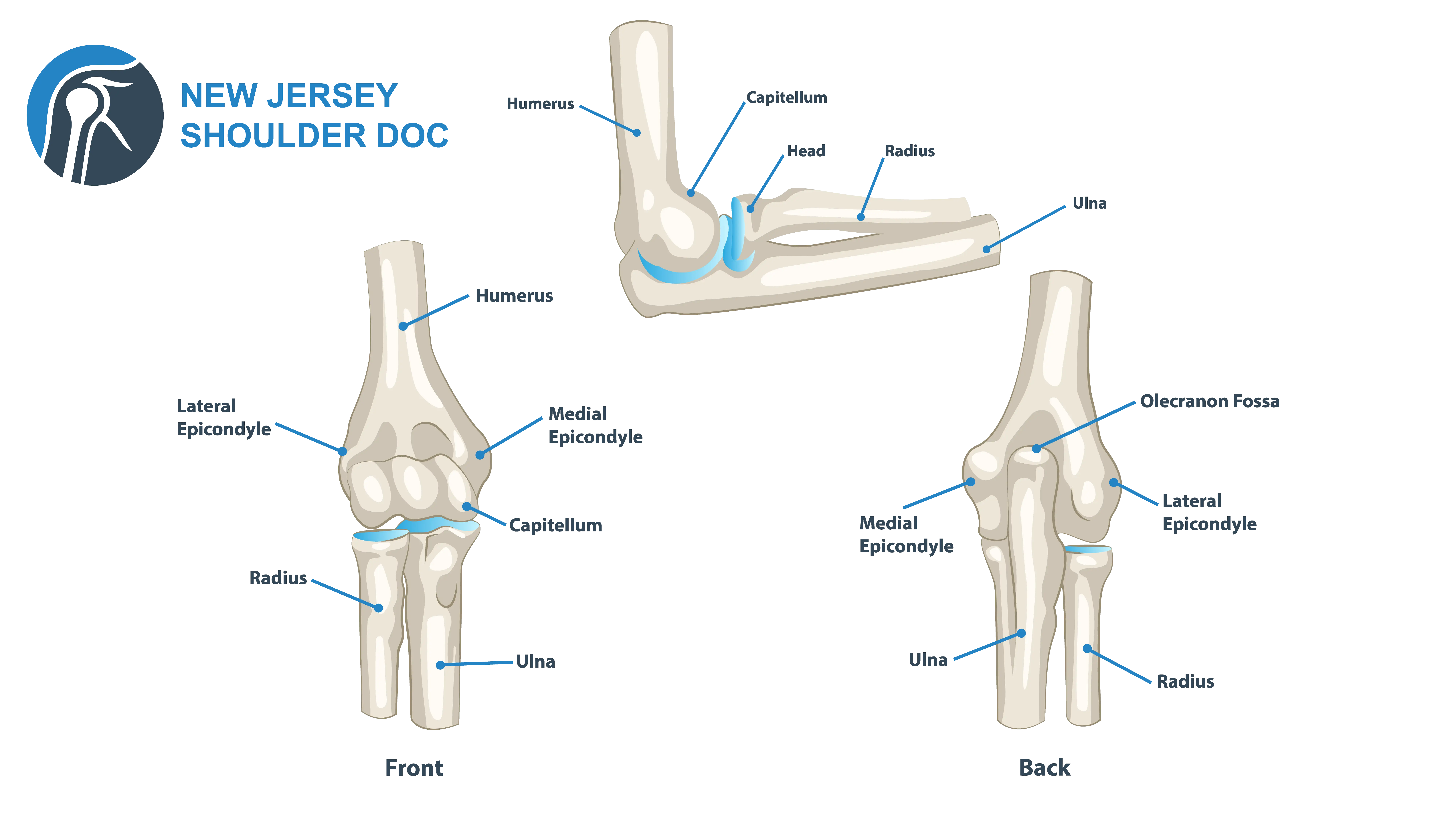
The elbow joint connects the upper arm bone (humerus) to the two forearm bones (radius and ulna). This joint is a hinge, allowing for bending and straightening, but it also facilitates rotation of the forearm. Several structures pass through or attach near this joint, making it susceptible to various forms of irritation.
The pain you feel at night usually involves the soft tissues. These include the tendons that connect muscle to bone, the ligaments that connect bone to bone, and the nerves that transmit signals from the brain to the hand. When you experience elbow pain when sleeping, the issue is often related to one of these soft tissue structures being compressed, stretched, or inflamed while you are resting.
Primary Culprits: Conditions That Cause Night Pain
Several specific orthopedic conditions may cause or worsen elbow pain when sleeping. In the following subsections, we’ll review some of the most common causes.
Cubital Tunnel Syndrome (Ulnar Nerve Entrapment)
Cubital tunnel syndrome occurs when the ulnar nerve, which runs along the inner side of the elbow (the “funny bone”), becomes compressed or irritated. The ulnar nerve is most vulnerable when the elbow is bent. When you sleep with your elbow flexed, the nerve is stretched and compressed within the narrow cubital tunnel. This position can restrict blood flow and increase pressure on the nerve.
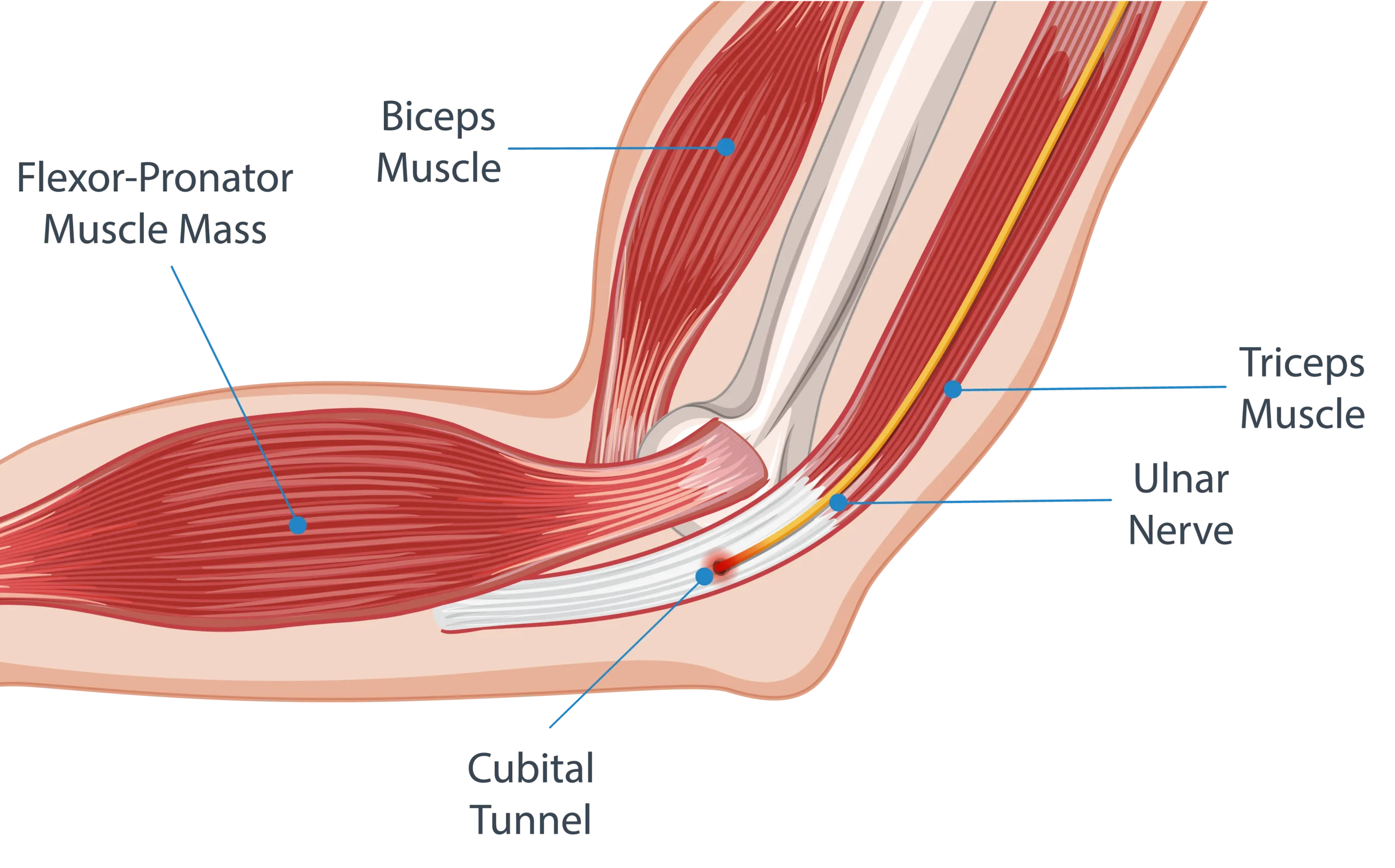
Patients typically report a dull ache on the inside of the elbow. They may also experience numbness, tingling, or a “pins and needles” sensation. These sensations usually affect the ring finger and the little finger.
Lateral Epicondylitis (Tennis Elbow)
Despite its name, you do not need to play tennis to develop this condition. Tennis elbow involves the tendons that attach to the bony bump on the outside of your elbow (the lateral epicondyle). These tendons are responsible for extending your wrist and fingers. Repetitive gripping, lifting, or twisting motions can cause microscopic tears and inflammation in these tendons.
The pain from tennis elbow is typically felt during activity, such as lifting a coffee cup or shaking hands. However, it can also cause pain when sleeping. When you lie down, the inflammation in the tendons may cause a throbbing ache. Furthermore, especially if you sleep on the affected side, the direct pressure on the inflamed tendons can trigger pain.
Medial Epicondylitis (Golfer’s Elbow)
This condition is similar to tennis elbow but affects the tendons on the inner side of the elbow (the medial epicondyle). These tendons control the muscles responsible for flexing your wrist and fingers. Golfer’s elbow is often caused by repetitive motions that involve a strong grip or wrist flexion, such as swinging a golf club or carrying heavy objects.
Like tennis elbow, the pain from golfer’s elbow is primarily due to inflammation. The inner elbow may feel tender to the touch. When you sleep, especially if you rest your arm against your body or a pillow in a way that puts pressure on the medial epicondyle, the pain can intensify.
Elbow Bursitis
Bursitis involves the bursa, a small, fluid-filled sac that acts as a cushion between bones and soft tissues. The olecranon bursa is located at the very tip of the elbow. Trauma, prolonged pressure, or infection can cause this bursa to become inflamed and swollen. The swelling and inflammation can cause a noticeable lump and a dull, constant ache. Lying on the affected elbow at night may compress the inflamed bursa, leading to elbow pain when sleeping.
The Role of Sleep Posture
Your body position during the night may be a contributing factor to elbow pain when sleeping. Even if an underlying condition exists, sleep posture can be the trigger that turns a mild daytime ache into a severe nighttime disturbance.
The Flexed Elbow Position
Many people naturally curl up in the fetal position or sleep with their arms bent under their head or chest. This position, where the elbow is flexed past 90 degrees, may be particularly problematic for the ulnar nerve. Sustained flexion tightens the space in the cubital tunnel, effectively “pinching” the nerve.
Direct Pressure
Sleeping directly on your side with your full body weight resting on your elbow can aggravate both tendinitis and bursitis. This direct, sustained pressure irritates the already inflamed tissues.
Stomach Sleeping and the “W” Shape
Stomach sleepers often position their arms in a “W” shape, with the elbows bent and positioned above the head. This posture not only puts the ulnar nerve at risk but can also twist the shoulder and neck, potentially contributing to referred pain.
Initial Management Strategies for Nighttime Relief
You can take several steps at home to manage and reduce elbow pain when sleeping. These strategies focus on minimizing nerve compression and reducing inflammation.
1. Maintain a Straight Elbow
One key change you can make is to keep your elbow straight or only slightly bent while you sleep.
- Use Pillows: Pillows provide comfort, but they can also be useful to help prevent pad sleep positions. Placing your arm underneath or over a pillow can allow the pillow to prevent you from excessively bending your arm while you sleep.
- Use a Towel Wrap: If the pillow isn’t stopping you from bending your elbow, you can fashion a simple splint by wrapping a towel loosely around your elbow and securing it with tape or a safety pin. This helps prevent you from bending your arm excessively during the night.
- Wear a Splint: Over-the-counter elbow splints or braces are specifically designed to hold the elbow in a comfortable, extended position. These can be helpful for managing cubital tunnel syndrome symptoms at night.
2. Adjust Your Sleeping Position
Try to avoid sleeping on the affected side. Consider using pillows to support your arm:
- Pillow Support: Place a pillow lengthwise next to your body. Rest your arm on the pillow, ensuring the elbow is not tucked under your head or bent sharply. This elevates the arm and prevents direct pressure on the joint.
- The “Pillow Barrier”: For side sleepers, try placing a pillow behind your back to prevent you from rolling onto the painful side during the night.
3. Reduce Inflammation
If your pain is primarily due to tendinitis or bursitis, reducing inflammation before bed may help.
- Ice Application: Apply an ice pack to the painful area for 15 to 20 minutes before you go to sleep. This may help calm the inflamed tendons and reduce nighttime throbbing.
- Over-the-Counter Medication: Nonsteroidal anti-inflammatory drugs (NSAIDs), such as ibuprofen, may help reduce pain and inflammation. Always consult with your doctor before starting a new medication regimen.
4. Daytime Modifications
Remember that nighttime pain is often a reflection of what happens during the day. Reducing strain on the elbow during your waking hours may also lessen the severity of your elbow pain when sleeping.
- Ergonomics: Review your workspace. Ensure your chair and desk height allow your arms to rest comfortably at a 90-degree angle. Avoid resting your elbows on hard surfaces.
- Activity Modification: Temporarily avoid or modify activities that involve repetitive gripping, twisting, or heavy lifting. This gives the irritated tendons a chance to heal.
When to Seek Professional Consultation
While home remedies can offer temporary relief, persistent or worsening elbow pain when sleeping may warrant a professional evaluation. Consider scheduling an appointment with an experienced elbow specialist if you experience any of the following:
- Symptoms that persist for more than a few weeks despite home management
- Pain that is severe enough to wake you up multiple times per night
- Numbness or tinglingthat is constant, not just occurring at night
- Weakness or difficulty gripping objects
- Visible swelling or deformity around the elbow joint
Summary
Whether the cause of elbow pain when sleeping is a compressed nerve, an inflamed tendon, or simply an awkward sleeping posture, many treatment options are available. You can often find relief through simple adjustments at home. However, persistent pain may require the expertise of an orthopedic specialist. Taking proactive steps to understand and address your symptoms supports you in returning to a full night’s sleep.
Frequently Asked Questions
Is it normal for my elbow pain to only happen at night?
It is quite common for elbow pain, particularly that caused by nerve compression (cubital tunnel syndrome), to be most noticeable at night. This is because many people sleep with their elbows bent, which puts maximum pressure on the ulnar nerve. The lack of movement during sleep may also allow inflammation to settle and become more pronounced.
How long should I wait before seeing a doctor for my elbow pain?
Consider seeing a specialist if your pain is severe, if it is accompanied by persistent numbness or weakness, or if it has not improved after a few weeks of trying simple home remedies.
What is the difference between tennis elbow and golfer’s elbow?
The difference lies in the location of the pain. Tennis elbow (Lateral Epicondylitis) causes pain on the outside of the elbow and affects the tendons that extend the wrist. Golfer’s elbow (Medial Epicondylitis) causes pain on the inside of the elbow and affects the tendons that flex the wrist. Both are forms of tendinitis.