


Sports shoulder injuries rank among the most common reasons athletes and active individuals seek orthopedic care. The shoulder joint provides an extraordinary range of motion, which also tends to make it particularly vulnerable to strain, overuse, and traumatic damage during physical activity. Whether you play competitive sports or enjoy recreational fitness, understanding these injuries may help you recognize warning signs early, seek timely treatment, and protect your long-term shoulder health.
Key Takeaways
- Sports shoulder injuries often result from overuse, repetitive overhead motions, or sudden trauma during athletic activity.
- The rotator cuff, labrum, and shoulder ligaments tend to be the structures most commonly affected in athletes.
- Many sports shoulder injuries can respond well to conservative treatments like rest, physical therapy, and activity modification.
- Surgical intervention, including minimally invasive arthroscopic procedures, may be recommended when conservative approaches do not provide adequate relief.
Why the Shoulder Is Vulnerable in Sports
The shoulder is a ball-and-socket joint. It connects the humerus (upper arm bone) to the scapula (shoulder blade) through a relatively shallow socket called the glenoid. This design allows for remarkable mobility, but it comes with a trade-off. The joint relies heavily on soft tissue structures like muscles, tendons, ligaments, and the labrum to maintain stability.
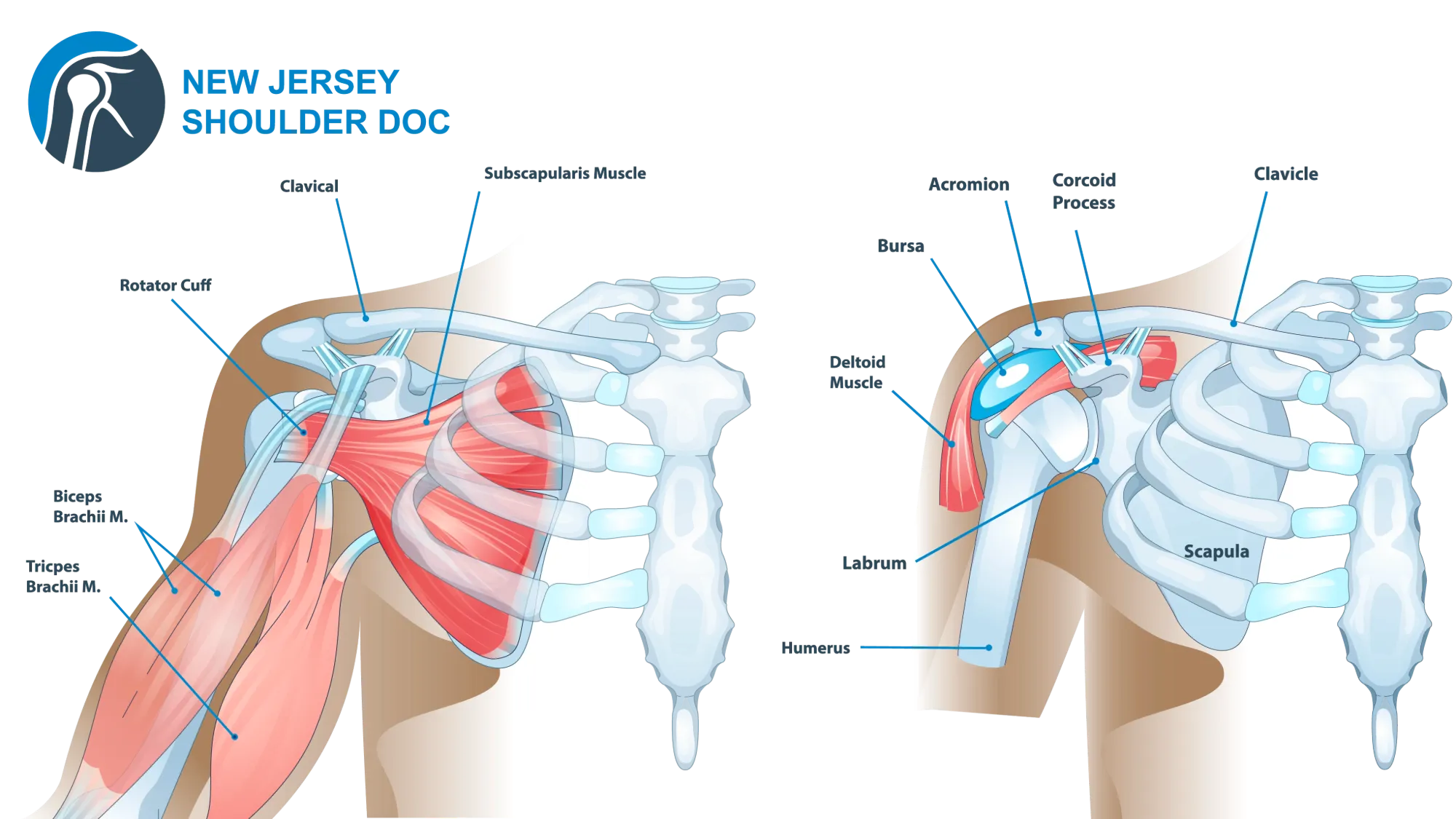
During sports, the shoulder is often subjected to forces that push it to its limits. Overhead throwing, swimming strokes, heavy lifting, and contact collisions can place significant stress on these supporting structures. Over time, or sometimes in a single forceful moment, this stress may lead to injury.
Common Sports Shoulder Injuries
Rotator Cuff Injuries
The rotator cuff consists of four muscles and their tendons that work together to stabilize the shoulder and enable arm rotation. Rotator cuff injuries are among the most common sports shoulder injuries, particularly in athletes who perform repetitive overhead motions. Baseball pitchers, tennis players, swimmers, and volleyball players may be especially susceptible.
These injuries can range from mild inflammation (tendinitis) to partial or complete tears of the tendon. Acute tears may happen during a fall or sudden forceful movement, while chronic tears often develop gradually over months or years of repetitive use.
Common symptoms may include:
- Pain in the shoulder, particularly during overhead activities or at night
- A feeling of weakness when lifting or rotating the arm
- A crackling or popping sensation during certain movements
- Difficulty reaching behind the back or overhead
Treatment for rotator cuff injuries frequently depends on the severity. Mild cases typically respond to rest, anti-inflammatory medications, and a structured physical therapy program. More significant tears, especially in active athletes, may be considered for arthroscopic surgical repair.
Shoulder Instability and Dislocations
Shoulder instability occurs when the structures that surround the joint can no longer keep the ball firmly centered in the socket. A dislocation happens when the humeral head slips completely out of the glenoid. Partial displacement is known as a subluxation. Both are common sports shoulder injuries, particularly in contact sports like football, hockey, wrestling, and rugby.
A first-time dislocation can stretch or tear the labrum and ligaments, which may increase the likelihood of future episodes. Younger athletes who experience an initial dislocation may face a higher recurrence rate compared to older individuals. Chronic instability may develop when the joint structures remain loose, leading to a persistent feeling of the shoulder slipping out of place and may wear away bone in the socket if it keeps happening.
Initial treatment generally involves immobilization followed by physical therapy to strengthen the muscles around the joint. Athletes with recurrent instability or significant structural damage may be candidates for surgical stabilization, such as a Bankart repair or capsular tightening, which can often be performed arthroscopically. If there is bone loss that has occurred, surgery to restore the bone may be necessary.
Labral Tears (Including SLAP Tears)
The labrum is a ring of cartilage that surrounds the glenoid socket, helping to deepen it and provide additional stability. A SLAP tear (Superior Labrum Anterior to Posterior) affects the top portion of the labrum where the biceps tendon attaches. This type of injury is particularly common among throwing athletes, weightlifters, and those involved in overhead sports.
Labral tears can result from repetitive overhead motions or from a single traumatic event, such as a fall on an outstretched hand. They may also develop alongside other injuries like shoulder dislocations. Symptoms often include a deep, aching pain in the joint, a catching or locking sensation, and decreased throwing velocity or accuracy in athletes who throw.
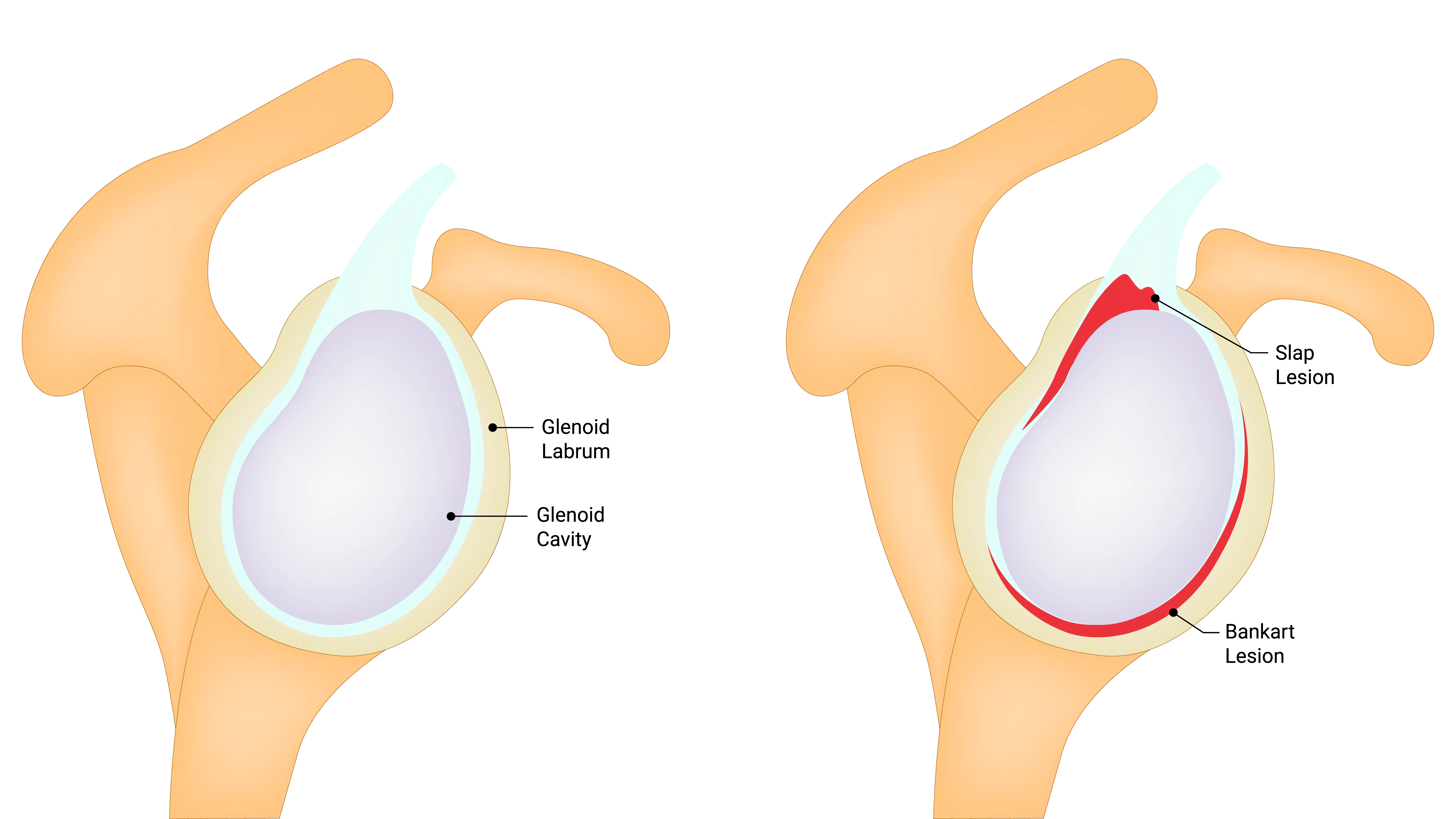
Conservative management with physical therapy and activity modification may be sufficient for some patients. However, athletes who do not improve with conservative care or who need to return to high-level overhead sports may be considered for arthroscopic repair.
Shoulder Impingement Syndrome
Shoulder impingement occurs when the rotator cuff tendons become compressed or irritated as they pass through a narrow space beneath the acromion (the bony projection at the top of the shoulder blade). This compression can lead to inflammation, pain, and limited mobility. It tends to be one of the more frequently diagnosed sports shoulder injuries in athletes who perform overhead activities regularly.
Swimmers, basketball players, and tennis players may be particularly prone to impingement. Poor posture, muscle imbalances, or anatomical variations may also contribute to the condition.
Treatment usually starts with rest, ice, and anti-inflammatory medications. Physical therapy focused on rotator cuff strengthening and scapular stabilization exercises tends to be a component of care. If symptoms persist despite conservative treatment, corticosteroid injections may be considered, and in select cases surgical options such as arthroscopic procedures may be discussed.
Acromioclavicular (AC) Joint Injuries
The AC joint sits at the top of the shoulder where the clavicle (collarbone) meets the acromion. Injuries to this joint, often called shoulder separations, typically result from a direct blow or fall onto the shoulder. They are common in contact sports like football and hockey, as well as in cycling and skiing accidents.
AC joint injuries are graded by severity. Mild sprains may cause localized pain and swelling, while more severe separations can result in visible deformity. Many mild to moderate cases tend to heal well with rest, ice, and gradual physical therapy. Severe separations may require surgical reconstruction to restore alignment and stability.
Biceps Tendon Injuries
The long head of the biceps tendon runs through the front of the shoulder and attaches to the top of the labrum. It can become inflamed, partially torn, or even fully ruptured during athletic activity. Biceps tendinitis tends to develop from repetitive overhead movements, while acute tears may result from heavy lifting or sudden force.
Patients often report pain at the front of the shoulder that worsens with overhead activities or lifting. A popping sensation sometimes accompanies a biceps tendon tear. Treatment typically begins with rest, anti-inflammatory medications, and targeted physical therapy. Persistent symptoms may be addressed with procedures like biceps tenodesis or a tenotomy.
How Sports Shoulder Injuries Are Diagnosed
Accurate diagnosis is a key step in developing an effective treatment plan. The process typically begins with a thorough physical examination, during which your doctor will assess your range of motion, strength, and any areas of tenderness. Specific provocative tests can help identify which structures may be involved.
Imaging studies may play a role. X-rays can reveal fractures, bone spurs, or joint alignment issues. MRI scans provide detailed views of soft tissue structures like the rotator cuff, labrum, and ligaments, making them particularly valuable for diagnosing tears and inflammation. In some cases, a CT scan or diagnostic ultrasound may also be utilized.
Sharing details about your sport, training regimen, and the specific mechanism of injury with your doctor can be incredibly helpful. These details may guide the diagnostic process.
Treatment Options for Sports Shoulder Injuries
Treatment for sports shoulder injuries generally follows a stepwise approach, starting with conservative measures and progressing to surgical options when necessary. The right plan depends on the type and severity of the injury, the patient’s activity level, and their specific goals for recovery.
Conservative Treatment
Many sports shoulder injuries respond well to non-surgical care. Rest and activity modification allow inflamed or damaged tissues to begin healing. Physical therapy is often a part of recovery, focusing on restoring range of motion, rebuilding strength, and correcting movement patterns that may have contributed to the injury. Anti-inflammatory medications and ice may be recommended to help manage pain and swelling. Corticosteroid or platelet-rich plasma (PRP) injections may also be considered in some cases.
Surgical Treatment
When conservative treatments do not provide adequate relief, surgical intervention may be recommended. Many shoulder procedures can now be performed arthroscopically, using small incisions and a camera to guide the repair. This minimally invasive approach is often associated with smaller incisions and may allow for less soft tissue disruption compared to traditional open surgery.
The decision to proceed with surgery is always made collaboratively between the patient and an experienced shoulder surgeon. Factors like the severity of the injury, the patient’s age, sport, and competitive level, and how well they have responded to conservative care all play a role in this decision.
Preventing Sports Shoulder Injuries
While not every injury can be prevented, there are several strategies that may help reduce your risk. A proper warm-up before physical activity prepares the muscles and tendons for the demands ahead. Incorporating rotator cuff and scapular strengthening exercises into your regular fitness routine may help build a more stable and resilient shoulder joint.
Technique matters, too. Working with a coach or trainer to ensure proper form, especially in overhead sports, can go a long way toward protecting the shoulder. Listening to your body is just as important. Pushing through persistent pain or fatigue may increase your risk of a more significant injury. Gradually increasing training intensity, rather than making sudden jumps, may help the shoulder adapt safely.
Summary
Sports shoulder injuries encompass a wide range of conditions, from rotator cuff tears and labral damage to instability, impingement, and AC joint separations. Each injury presents its own set of challenges. Whether through targeted physical therapy or arthroscopic surgery, the goal is to restore function, relieve pain, and get you back to doing what you love.
Frequently Asked Questions About Sports Shoulder Injuries
What are the most common sports shoulder injuries?
Some of the most frequently encountered sports shoulder injuries include rotator cuff tears, shoulder dislocations and instability, labral and SLAP tears, shoulder impingement syndrome, AC joint separations, and biceps tendon injuries. Each of these conditions may vary in severity and can affect athletes across a range of sports.
How do I know if my shoulder pain is serious?
Shoulder pain that persists for more than a few days, worsens with activity, disrupts your sleep, or is accompanied by weakness, instability, or a popping sensation may warrant medical evaluation. Pain that does not respond to rest and basic home care can be a sign that further assessment could be beneficial.
How long does recovery from shoulder surgery typically take?
Recovery timelines vary depending on the procedure performed and the individual patient. Many arthroscopic shoulder surgeries may allow a return to sport within four to six months, though some more complex procedures could require a longer rehabilitation period. Your surgeon and physical therapist will work together to guide your recovery at a safe and effective pace.